


Fats – Which Ones Heal? Which Ones Harm?
- Home
- Fats – Which Ones Heal? Which Ones Harm?

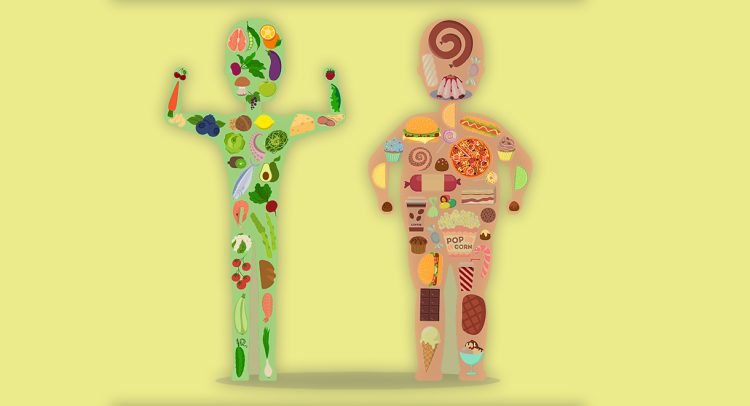
For generations, we have been told “fat will make you fat”; how are we now supposed to wrap our heads around this complete about-face? The answer is to learn all the facts and understand why recent discoveries have turned previous medical theory on its head!
In those who eat no fat, there can be very serious health implications, which may be irreversible, as fat is an essential dietary item. Dietary fats are responsible for the following functions:
These are generally known as the essential fatty acids, because the body is unable to make them and they are essential for good health. Because our food has become increasingly processed and many people erroneously follow low fat diets, we have found that deficiencies of essential fatty acids are very common.
The essential fatty acid groups are known as omega 3 and omega 6 fatty acids. This difference is based on their chemical structure and function.
Omega 3 fatty acid is known as alpha- linolenic acid.
Omega 6 fatty acid is known as linoleic acid.
Supplementing with essential fatty acids may benefit you as they reduce:
When buying oils make sure they are good quality, cold pressed, unprocessed, unrefined oils. They are usually available in glass containers or bottles of a darker colour than transparent plastic. Essential fatty acids are very fragile and are easily damaged and oxidised by exposure to heat, air and light. To protect them in their original form, it is best to buy them and keep them in opaque containers in the refrigerator. Olive or palm oils are best for high temperature cooking such as stir-fries or sautéing. Flaxseed oil must not be heated, as this will damage the fragile omega 3 fatty acids.
Trans-fatty acids are man-made fats that originate from vegetable oils. Margarines are the best-known examples and are chemically processed, turning them into “hydrogenated vegetable oils”. This chemical process makes the fat more saturated, which means it is solid, at room temperature. Trans-fatty acids and other partially hydrogenated vegetable oils are totally unnatural and our cells find it very hard to use them. Trans-fatty acids not only block the use of the natural unprocessed essential fatty acids that are eaten, they end up being deposited into cell membranes. The problem is that they do not fit the cell membranes because they are the wrong shapes, so the membranes end up being weakened, with holes in them.
The liver doesn’t know how to utilise trans-fatty acids efficiently, and as a result, the trans-fatty acids may accumulate in it which causes fatty liver, especially if they are eaten with a lot of refined carbohydrates.
Trans-fatty acids have a very adverse effect on blood fats; they cause an elevation of undesirable, LDL cholesterol, triglycerides and lipoprotein (a), and lower the good, HDL cholesterol. This disturbance of blood fats is a potent predictor of cardiovascular disease.


When you submit your email, you agree to join our mailing list and receive helpful updates, special offers, and product news.