


Look After Your Mitochondria
- Home
- Look After Your Mitochondria


Mitochondria are the powerhouses of the cell. The microscopic structures responsible for converting nutrients into usable energy. The more mitochondria you have, and the more efficiently they function, the more energy you’ll have for daily life.
Beyond energy production, healthy mitochondria are associated with slower biological ageing and a reduced risk of chronic conditions including heart disease, cancer, and dementia. Fatigue is one of the most common health complaints people experience, and while poor sleep, hormonal imbalances, gut dysfunction, and immune dysregulation are frequently implicated, mitochondrial impairment and nutritional deficiencies are often overlooked culprits.
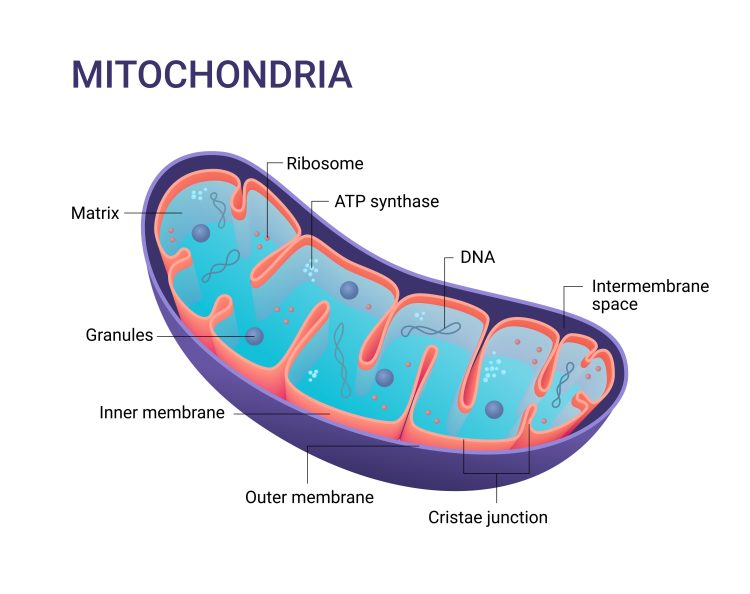
Mitochondria are largely composed of fat. Their outer membrane and the intricate inner membrane, known as the cristae are both built from fatty acids. The quality of fat in your diet directly influences the quality of your mitochondrial membranes.
Vegetable oils high in omega-6 linoleic acid (such as canola, sunflower, and soybean oil) are chemically unstable and prone to oxidation, which can damage mitochondrial membranes. Instead, focus on stable, nourishing fats, including:
EPA & DHA: essential omega 3s for mitochondrial function
Eicosapentaenoic acid (EPA) and docosahexaenoic acid (DHA) are long-chain omega-3 fatty acids found abundantly in oily fish such as salmon, sardines, mackerel, and anchovies. They are among the most researched nutrients for mitochondrial health, with benefits operating across several pathways.
DHA is readily incorporated into mitochondrial membranes, where it enhances membrane fluidity and flexibility. DHA-enriched membranes support efficient energy transfer and help maintain the electrochemical gradient needed to generate energy.
The energy-producing reactions inside mitochondria generate free radicals as a natural by-product. Selenium helps dampen the resulting oxidative stress through its anti-inflammatory properties and by supporting the expression of antioxidant enzymes. This protects the delicate fatty acids within mitochondrial membranes from oxidative damage.
As mitochondria produce ATP, they inevitably generate free radicals. When free radical production outpaces the body’s ability to neutralise them, the delicate fatty acid structures within mitochondrial membranes can be damaged; a process that compounds over time.
Selenium and vitamin C are particularly effective at mopping up free radicals and limiting this oxidative damage. Raw vegetable juices are an excellent practical strategy for rapidly increasing your antioxidant intake. Deeply coloured vegetables, particularly leafy greens, beets, and carrots offer a concentrated source of protective plant compounds.
Magnesium is an essential cofactor for the enzymes that produce energy inside mitochondria, yet it rarely receives the attention it deserves in conversations about fatigue and cellular health. Deficiency is common, particularly in those who exercise regularly, live in hot climates where magnesium is lost through sweat, or consume a diet low in whole foods.
Beyond its role in energy metabolism, magnesium helps regulate the nervous system, supports muscle recovery, and promotes deeper, more restorative sleep. Dietary sources include green leafy vegetables, nuts, seeds, and legumes. Supplementation is often needed to correct deficiencies and maintain optimal levels.
The body has its own sophisticated detoxification systems, primarily the liver, kidneys, and intestines, but these organs are under greater pressure than at any previous point in human history. We are exposed to an unprecedented volume of synthetic chemicals through food packaging, personal care products, household cleaners, and environmental pollution.
Supporting your detoxification capacity is a sound strategy for protecting mitochondrial health. Glutathione, the body’s master antioxidant and detoxifier plays a central role in neutralising harmful compounds before they can damage cellular structures. Nutritional support for glutathione production includes N-acetyl cysteine (NAC) and sulphur-rich foods such as cruciferous vegetables, garlic, and onions.
Research has identified that certain commonly prescribed medications can interfere with mitochondrial function. These include metformin (used in type 2 diabetes management) and statins (cholesterol-lowering drugs). The impact is influenced by the dose and duration of use, both of which tend to be long-term for these drug classes.
Physical exertion stresses the body’s energy systems, prompting cells to create more mitochondria to meet demand. Both endurance and resistance training are beneficial.
Brief exposure to cold, through cold showers, cool-water immersion or going outside for a walk in cold weather triggers adaptive responses that stimulate mitochondrial production and improve metabolic efficiency.
Periods of fasting activate cellular stress pathways that encourage the creation of new, healthy mitochondria and the clearance of damaged ones via a process called mitophagy.
The above statements have not been evaluated by the FDA and are not intended to diagnose, treat or cure any disease.


When you submit your email, you agree to join our mailing list and receive helpful updates, special offers, and product news.