


BPA Free Plastic Is Still Unsafe And Toxic
- Home
- BPA Free Plastic Is Still Unsafe And Toxic

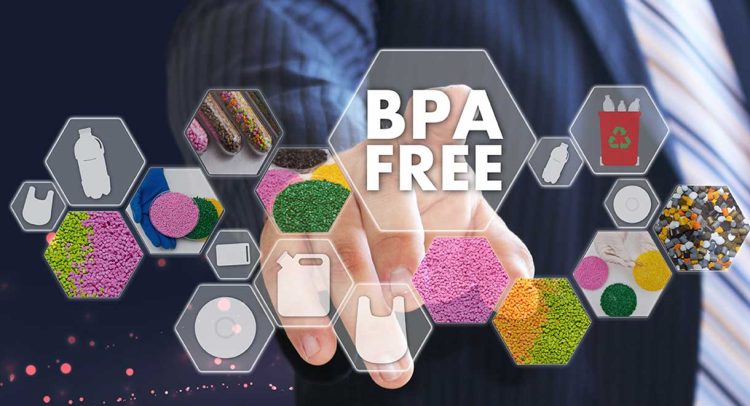
Bisphenol A (BPA) is a type of commonly used plastic that mimics estrogen in the body and has been linked to a whole host of serious health problems such as breast and prostate cancer. In recent years BPA has been removed from many products, particularly baby bottles, water bottles, and food storage containers. You have probably noticed lots of BPA-free products on supermarket shelves.
However, using bisphenol A free plastic isn’t necessarily a better option, because there are several bisphenol compounds and they all seem to have hormone-disrupting activity. These plastics can interfere with normal cell growth and metabolism and in this way fuel the growth of hormone-dependent tumors. They have also been linked to an increased risk of asthma, diabetes, and neurological problems.
Bisphenol S is a common substitute for BPA. According to professor Cheryl Watson, senior author of a paper on a study published in Environmental Health Perspectives “Our studies show that BPS is active at femtomolar to picomolar concentrations just like endogenous hormones — that’s in the range of parts per trillion to quadrillion”. “Those are levels likely to be produced by BPS leaching from containers into their contents.”
There really is no entirely safe type of plastic; there are just degrees of toxicity.
Your best option is to minimize your use of plastic as much as possible, and rely more on glass or stainless steel. It is critical to avoid heating foods in plastic (such as in a microwave) because that significantly increases the leaching of plastic into your food.
Here are some more suggestions:
The above statements have not been evaluated by the FDA and are not intended to diagnose, treat or cure any disease.


When you submit your email, you agree to join our mailing list and receive helpful updates, special offers, and product news.