


Don’t Worry About Cholesterol; Inflammation Is Your Biggest Problem
- Home
- Don’t Worry About Cholesterol; Inflammation Is Your Biggest Problem

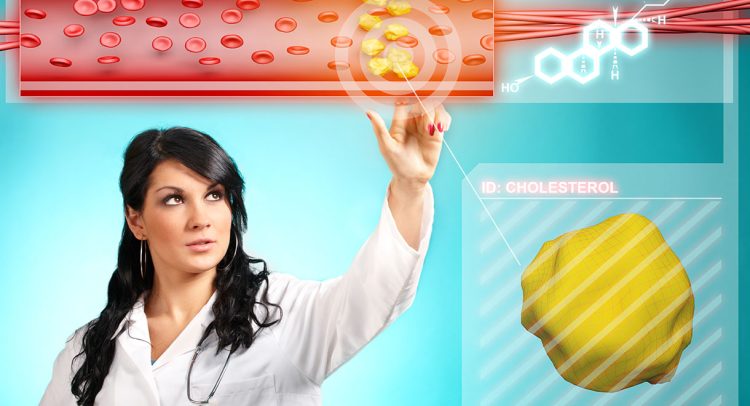
Cholesterol is good for you; it performs so many vital functions in your body.
Inflammation raises your risk of just about every serious disease, including heart attacks and strokes. If you want to look after your health, you’d better keep inflammation at bay!
Each week we see a number of patients who are seeking help for their high cholesterol level. They can quote the cholesterol figure in their last blood test and desperately want to lower it without the use of medication. Many of our patients have tried cholesterol lowering drugs in the past and weren’t happy with the side effects. They are even more worried about the potential long term effects of these drugs on brain function and the nervous system.
I think they should also be worried about having abnormally low levels of cholesterol, which these drugs tend to induce. Several studies have shown that people with slightly higher cholesterol actually live longer than those with low cholesterol (low means less than 181 mg/dL or 4.7 mmol/L).
People with low cholesterol seem to be more prone to cancer and mental health problems.
For years we’ve been told to eat less fat if we want to stay slim and keep our cholesterol level in check. I have a problem with that advice for a few reasons:
Inflammation is a bit of a vague term that you’ve probably seen mentioned recently. There are two main types of inflammation: acute inflammation and chronic inflammation.
If you have ever sprained your ankle or suffered a gout attack, you’ll know all about acute inflammation. It causes symptoms like pain, swelling, heat, redness and immobility.
In this article I want to focus on chronic inflammation. This is the type of inflammation that occurs in a very subtle form inside your body, so you don’t even realise it’s occurring.
Chronic inflammation occurs when various cells in your body produce chemicals that cause wear and tear inside your body. Essentially, inflammation causes oxidative damage to the cells and tissues of your body. This will cause you to age more rapidly and put you at risk of serious diseases including cardiovascular disease and cancer. Inflammatory chemicals can be produced by your immune cells, fat cells and by your liver if it is fatty, otherwise diseased or sluggish.
The following factors all raise the level of inflammation in your body:
In most people, the overwhelming cause of excessive inflammation in their body is poor diet choices.
Sugar, flour and vegetable oil high in omega 6 fats (soy, corn, cottonseed, sunflower, safflower oil) all cause wear and tear to your body. Having a fatty liver causes the liver to produce high levels of damaging inflammatory chemicals.
Inflammation damages the lining of your arteries. It actually causes wear and tear to the once smooth inner lining of artery walls. Once you’ve developed lesions in your arteries, the cholesterol in your bloodstream comes along and tries to repair this damage.
Cholesterol has a vital role in healing and repair of tissues in your body. The problem is, cholesterol can accumulate in your arteries, causing them to narrow and thus restricting blood flow. Cholesterol is not the initiating factor in artery damage; it is only serving a protective and healing role.
If your cholesterol is high, you need to find the reason.
As I mentioned, the vast majority of cholesterol in your body was made in your liver. Cholesterol production increases when the body is under stress: emotional stress can cause elevated cholesterol because the stress hormone cortisol is made out of cholesterol. Physical stress on the body can also elevate cholesterol. Because cholesterol helps to repair and heal your body, you will produce more if there is a great deal of inflammation occurring in your body. So all those factors above that raise inflammation, can raise your cholesterol too.
Therefore the cure for elevated cholesterol can be quite simple – lower the inflammation and you’ll also lower the cholesterol.
Other factors that may cause elevated cholesterol include:
We do need some cholesterol in our bodies for good health; you don’t want your cholesterol to be too low but you don’t want it too high either. However, it’s important to remember that high cholesterol is not the cause of your health problems; it is simply a clue that something is not quite right with your health, and it’s likely that the real problem is too much inflammation.
For more information see our book Cholesterol: The Real Truth.
The above statements have not been evaluated by the FDA and are not intended to diagnose, treat or cure any disease.


When you submit your email, you agree to join our mailing list and receive helpful updates, special offers, and product news.