


Is Irritable Bowel Syndrome Causing Your Gut Problems?
- Home
- Is Irritable Bowel Syndrome Causing Your Gut Problems?

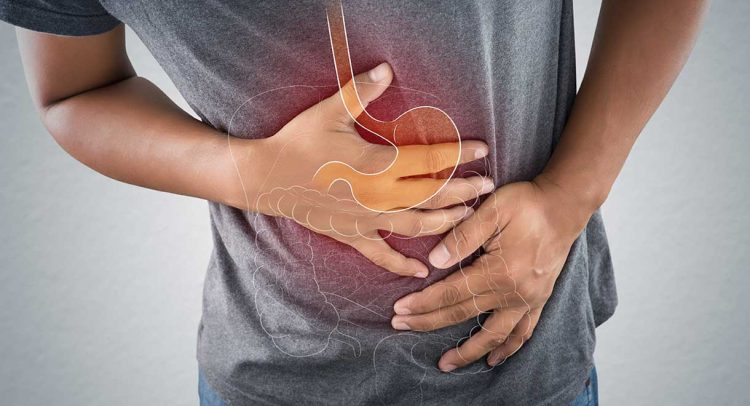
This common problem has been known in the past by several different names such as “spastic colon” or “nervous bowel”. Irritable Bowel Syndrome (IBS) means an irritability of the bowel and this can affect any area of the digestive tract.
A syndrome is a group of symptoms and signs that occur together and produce a typical pattern of a specific disorder.
Classic symptoms of IBS are:
In most cases it is food intolerance and bacterial overgrowth in the bowel. Sometimes it’s a sensitivity to gluten, wheat or dairy products; other people have difficulties digesting certain types of fermentable carbohydrates found in many common foods, such as fruit and vegetables.
In the past, people who suffered with IBS were just told they need to relax more, and that stress was responsible for their condition. Fortunately we now understand a lot more about bowel conditions, and we know that stress is not the sole cause.
Wheat and other grains can be difficult to digest and they are responsible for many cases of bloated tummies and excess gas. The same can be said about dairy products. Some people are sensitive to the sugar in milk (lactose), while other people react to the protein (casein).
However, some people can react to certain fruits and vegetables. FODMAPS are a group of carbohydrates that are poorly absorbed by many people. FODMAP stands for Fermentable Oligosaccharides, Disaccharides, Monosaccharides and Polyols. Some people have a very low tolerance to these foods, and eating them causes a great deal of bloating and discomfort. FODMAPs tend to have a cumulative effect, so that people typically find they become more and more bloated as the day progresses. You can start the day with a flat tummy and have your pants cutting you in half by the evening.
If you want to try a low FODMAP diet, you may notice an improvement in bowel symptoms within a few days. Many commonly eaten foods are high in FODMAP, including apples, pears, onion, garlic, broccoli and sweet potato. Legumes and lentils are especially high in FODMAPs, so it’s no wonder that many people with IBS find they cause a great deal of gas. For information on which foods are high and low in FODMAPs, have a look at this Monash University webpage.
The diet can feel very restrictive and boring, but it usually doesn’t have to be followed long term. Having a FODMAP sensitivity is usually a sign of poor gut health. Having too much bad bacteria and not enough good bacteria in your gut can cause you to lose the ability to digest FODMAP properly, leading to IBS symptoms.
Small intestinal bacterial overgrowth (SIBO) is one of the biggest causes of IBS and of FODMAP intolerance. When there is too much bacteria in the small intestine, they produce a great deal of gas whenever a person consumes FODMAPs. So going on a low FODMAP diet starves the bacteria of their food and they die. It is also very helpful to take an herbal formula that kills bad bowel bacteria.
Most people find that supplementing with a good quality probiotic helps to reduce bloating, gas and abdominal pain. It can also help to normalize bowel function, reducing episodes of diarrhea or constipation.
Here are some other tips for good gut health:
If these suggestions don’t help alleviate your symptoms, please see your doctor. The symptoms of IBS can also be indicative of a more serious bowel disorder.
The above statements have not been evaluated by the FDA and are not intended to diagnose, treat or cure any disease.
}


When you submit your email, you agree to join our mailing list and receive helpful updates, special offers, and product news.