


Is Your Body Inflamed?
- Home
- Is Your Body Inflamed?

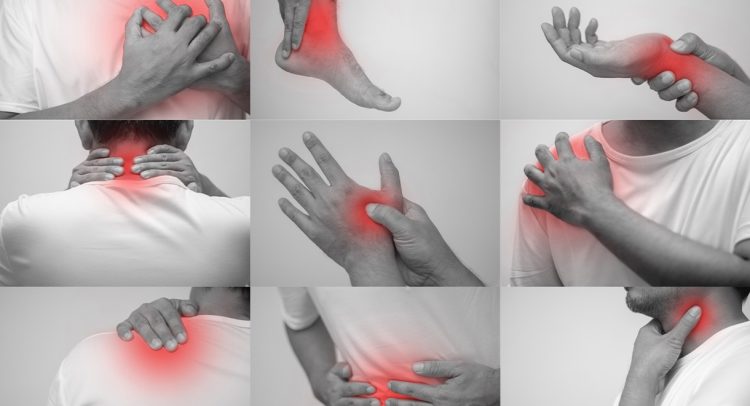
Chronic inflammation rarely announces itself the way a sprained ankle does. Here’s how to recognise the subtler signs, what a blood test can actually tell you, and how food, a healthy liver and specific nutrients can help reduce it.
Inflammation is meant to be temporary and is your immune system’s short-term repair response. Cut your finger or catch a cold, and your body sends blood, immune cells and chemical messengers to the site of the problem. That’s why a wound goes red and swollen, or a fever sets in for a few days. This kind of acute inflammation is protective. It flares up, does its job, and switches off.
The concern is a different pattern: chronic, low-grade inflammation that never fully switches off. It’s driven less by a single injury and more by ongoing factors. These may include excess body fat (particularly around the abdomen), poor sleep, chronic stress, smoking, a diet heavy in ultra-processed food, or an underlying condition that hasn’t been diagnosed. Instead of a sharp flare, it simmers in the background for months or years, and it’s been linked with a long list of conditions, including heart disease, type 2 diabetes, and some autoimmune and joint conditions.
The tricky part is that this kind of inflammation is largely invisible day to day. That’s why it usually takes a combination of paying attention to your body and a blood test to get a clear picture.
None of these symptoms are proof of chronic inflammation on their own; most have other common causes too. But if several of them are turning up together and sticking around, it’s worth mentioning to your doctor.
Fatigue that sleep doesn’t fix
Inflammatory chemical messengers can directly affect the brain’s energy and mood circuits, producing a heaviness that a good night’s sleep doesn’t resolve.
Joint stiffness, especially in the morning
Stiffness that eases within a few minutes of moving is common with age and overuse; stiffness that drags on for 30 minutes or more is more suggestive of an inflammatory process.
Digestive changes
Bloating, irregular bowel habits or new sensitivity to foods can reflect inflammation in the gut lining, which also has knock-on effects on markers measured in the blood.
Skin flare-ups
Eczema, psoriasis, acne and unexplained rashes are all, in part, visible inflammatory responses playing out in the skin.
Getting sick often, or slow to recover
A background level of inflammation appears to blunt the immune system’s ability to respond efficiently to new threats.
Weight that’s hard to shift, particularly around the middle
Visceral fat (the fat in and around your organs) isn’t passive storage, it actively produces inflammatory molecules, creating a two-way relationship between weight and inflammation.
Brain fog or low mood
Emerging research points to a real biological link between systemic inflammation and difficulty concentrating, and between inflammation and mood.
Because symptoms alone are so nonspecific, doctors rely on a small set of blood markers to get an objective view on inflammation. None of them tell you where in the body inflammation is coming from but they’re a useful first checkpoint.
CRP — C-REACTIVE PROTEIN
Produced by the liver in response to inflammatory signals. A standard CRP test is designed to pick up the large rises seen with infection or injury, so it’s the test typically used when someone is acutely unwell.
hs-CRP — HIGH-SENSITIVITY CRP
The same protein, measured with a more sensitive assay so it can detect the much smaller, chronic elevations linked to cardiovascular risk.
ESR — ERYTHROCYTE SEDIMENTATION RATE
An older, less specific test that measures how quickly red blood cells settle in a tube. Inflammation makes them clump and fall faster. Useful, but also affected by age, anaemia and pregnancy, so it’s usually read alongside other markers.
FERRITIN
Mainly known as an iron-storage marker, but it also rises non-specifically during inflammation, which is why a high ferritin result needs to be interpreted alongside iron studies, not read as an iron overload on its own.
One important caveat: a single elevated result can just as easily reflect a recent cold, a hard workout, a dental issue or minor injury as anything chronic. What matters more is the pattern over repeat tests, considered alongside your symptoms and history.
Reducing inflammation with food
Ideally your diet would be based on whole foods and home prepared meals, with minimal processed foods. It’s also important to remember that a food ordinarily considered to be healthy may cause inflammation for you if you’re allergic or intolerant to it. There is information about reducing inflammation in the book Healing Autoimmune Disease: A plan to reduce inflammation and help your immune system.
If weight is a factor, gradual weight loss is one of the more reliably effective ways to bring CRP down, precisely because it reduces the volume of hormonally active fat tissue producing inflammatory signals in the first place.
Magnesium acts as a helper molecule for hundreds of chemical reactions in the body, including several that keep inflammatory signalling in check. When magnesium status is low, one particular inflammatory switch (called NF-κB) tends to become more active. This shows up as higher CRP.
Population studies consistently find that people with a higher magnesium intake tend to have lower CRP levels, and when researchers have pooled the results of randomised controlled trials, magnesium supplementation comes out with measurable reductions in CRP. The effect is generally clearest in people who start out with elevated CRP and those with obesity, type 2 diabetes or metabolic syndrome.
Good food sources of magnesium include leafy greens, nuts and seeds, legumes, whole grains and avocado. Many people aren’t getting enough magnesium in their diet and need a supplement. Typical symptoms of magnesium deficiency include muscle cramps, aching muscles, anxiety and poor sleep quality.
People with a fatty liver have too much inflammation inside their liver. This prompts the liver to produce excess levels of inflammatory chemicals that spill into the bloodstream. They can have a detrimental effect on mood, energy level and immune health. Reversing a fatty liver is a priority if you want to reduce inflammation. My liver tonic Livatone Plus makes the liver more efficient at burning fat and detoxifying the bloodstream.
There is detailed information about reversing fatty liver in my book Fatty Liver: You Can Reverse It.
The above statements have not been evaluated by the FDA and are not intended to diagnose, treat or cure any disease.


When you submit your email, you agree to join our mailing list and receive helpful updates, special offers, and product news.