


Nutrients To Prevent Night Leg Cramps
- Home
- Nutrients To Prevent Night Leg Cramps


Leg cramps that occur at night are common and can really disrupt sleep. For some people they occur several times each night. If this is a long term problem, it can lead to significant sleep debt. Sometimes leg cramps are so painful that the leg muscles remain sore for days afterwards. Pain and chronically interrupted sleep can significantly impair mental health and quality of life.
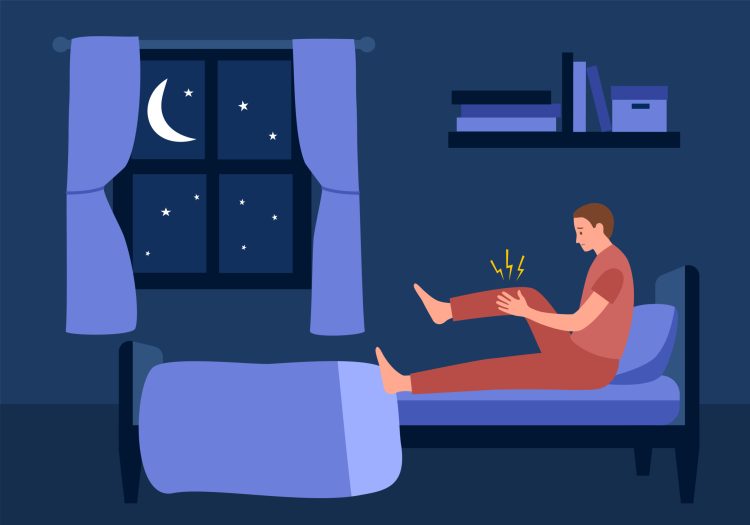
Nocturnal leg cramps typically occurr in the calf, foot or thigh. They usually come on in an instant and cause intense, grabbing pain. Most of us have experienced a cramp like this at some point in our life. They are more common in summer if you have been sweating excessively and losing minerals in your sweat.
Cramps are usually an indicator that something in your body is not in balance. Several different things can cause muscle cramps. In order to prevent them, you first need to find out why they are happening.
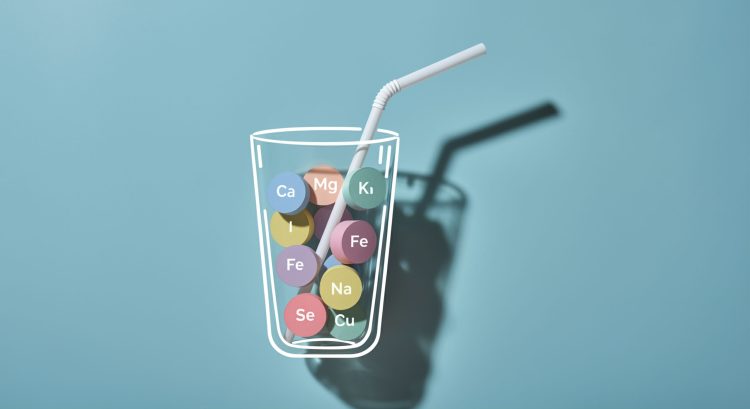
Your muscles need a range of different minerals to enable them to contract and relax properly. A deficiency of one or more of these minerals can leave you prone to cramps. These minerals include magnesium, sodium, potassium and calcium. Intense sweating, diarrhea and vomiting are the most common ways of developing a sudden, acute deficiency in these minerals. That’s why muscle cramps are most common after these conditions. Magnesium is required for muscles to be able to relax properly, and magnesium deficiency is the most common cause of muscle cramps, as well as twitching muscles and aching muscles.
A study published in the journal JAMA Internal Medicine found that vitamin K2 significantly reduces the frequency, duration, and severity of nocturnal leg cramps in older individuals. This was a randomized clinical trial that included 199 participants aged 65 years and older with night leg cramps. The people who received a vitamin K2 supplement experienced a significant reduction in the frequency of cramps each week compared with the placebo group.
Almost everyone is lacking vitamin K2 because very few foods contain this important nutrient. Vitamin K2 is found in animal products such as meat (especially liver), eggs, dairy products (particularly cheese and butter), and fermented soy foods such as natto. Vitamin K1 is abundantly found in green vegetables such as spinach, broccoli and kale. This led many people to assume that it’s easy to get plenty of vitamin K in your diet as long as you eat lots of vegetables. Unfortunately this is not the case because the fiber in vegetables binds tightly with vitamin K1 and makes it very hard to absorb. Also, you need high levels of good bacteria in the gut in order to produce vitamin K2. Many people are missing these bugs due to digestive problems or medication use.
Sometimes muscle cramps are the result of poor blood supply to a muscle because of blocked arteries. In the same way that arteries supplying the brain or heart can become blocked, so too can arteries in the legs or thighs. This is more common in individuals over the age of 40. It is best to see your doctor, who can assess the health of your arteries. If you want to keep your blood thin and improve your circulation, try to eat oily fish regularly (eg. Wild salmon, trout, sardines, herrings, mackerel) or take a fish oil supplement. Drinking raw vegetable juices regularly is also a powerful way of helping to keep your blood healthy. Vegetables are an excellent source of potassium and deficiency of this mineral may be responsible for cramps.
Some medication can increase the likelihood of muscle cramps; most commonly fluid tablets (diuretics). Sometimes a prescription diuretic is necessary, but they do tend to deplete the body of minerals, particularly magnesium.
Iron deficiency can sometimes cause muscle cramps. It is best to ask your doctor for a blood test.
Sodium deficiency is not a common cause of muscle cramps because the average person already consumes more than enough salt. Sodium deficiency can occur in individuals on a very low carbohydrate diet who exercise and sweat profusely.
Imbalances in blood levels of calcium can sometimes cause muscle cramps but this is usually an indicator of a problem of calcium regulation, rather than a deficiency of calcium in your diet.
Please see your own doctor if symptoms persist.
The above statements have not been evaluated by the FDA and are not intended to diagnose, treat or cure any disease


When you submit your email, you agree to join our mailing list and receive helpful updates, special offers, and product news.