


Parasites That Infect Humans
- Home
- Parasites That Infect Humans

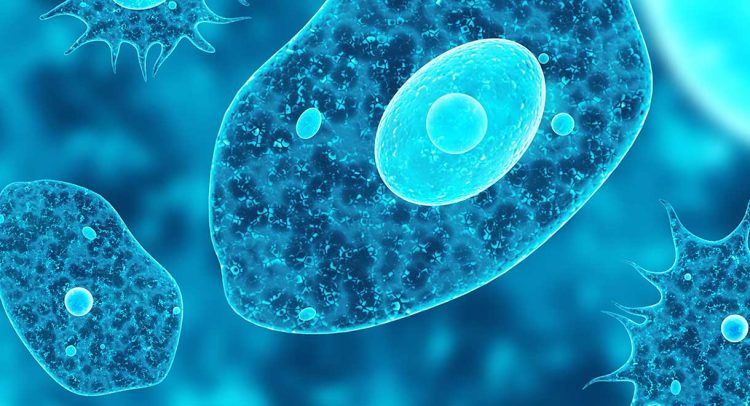
We often don’t think parasites can be a big risk to ourselves and indeed it’s not appealing to think about, especially when you are eating! However parasitic infections are very common and most of the time, these infections go unnoticed. A high percentage of people throughout the world live with a worm or other parasite. As close as we may be with these organisms, they are not symbiotic – they can cause awful diseases as well as nightmares!
Parasitic infections must always be taken seriously.
The most important thing to have is an awareness of these diseases, so you can prevent them.
Meticulous hand washing with soapy water (and ideally wearing gloves when preparing food), thorough washing of fruits and vegetables, and proper cooking of meats are vital strategies to lower your risk of catching these spooky parasites.
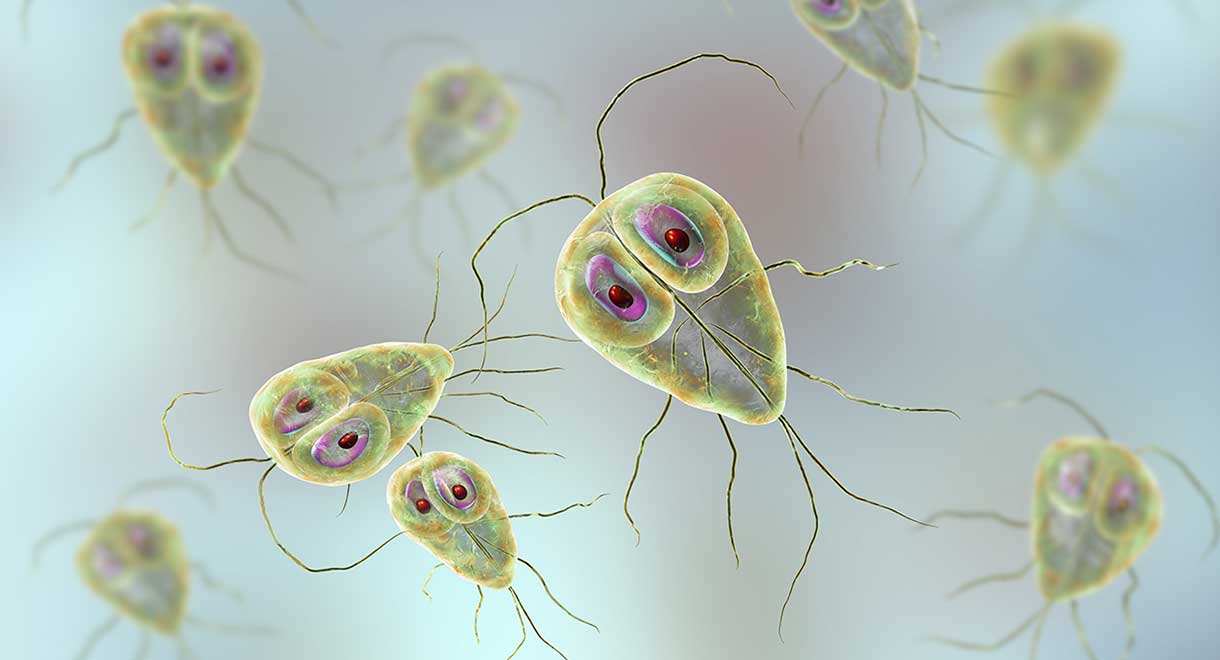
Protozoa are microscopic, single-celled organisms which reproduce very rapidly in the intestines. They can spread to other organs such as the liver, pancreas, lungs and heart. Protozoa have an indefinite lifespan.
Examples of protozoa include:
It may not cause any symptoms or can produce watery diarrhea, nausea, cramps and fever.
It can spread through the digestive tract and travel to other organs, causing stomach pain, diarrhea and low grade fever.
There are often no symptoms; however, it can cause vaginal discharge and odor, painful urination, enlargement of the prostate gland and urinary tract inflammation.

These are unsegmented worms which produce eggs that needs incubation in soil or in another host before becoming potentially infective to humans.
Occasionally, they can cause obstruction of the pancreatic or bile duct, appendix, or small intestines with severe symptoms. Infection may cause a cough, fever and sleep disturbances.
The worms attach to and suck the blood from the lining of the small intestines, causing digestive problems, anemia and fatigue.
One method of diagnosis is to apply sticky tape to the anal area at night. When the tape is removed, adult worms may be seen with the unaided eye. Do this test 5 to 7 times to rule out infection.
Heavy infection can cause diarrhea, abdominal pain, rectal prolapse, and stunted growth.
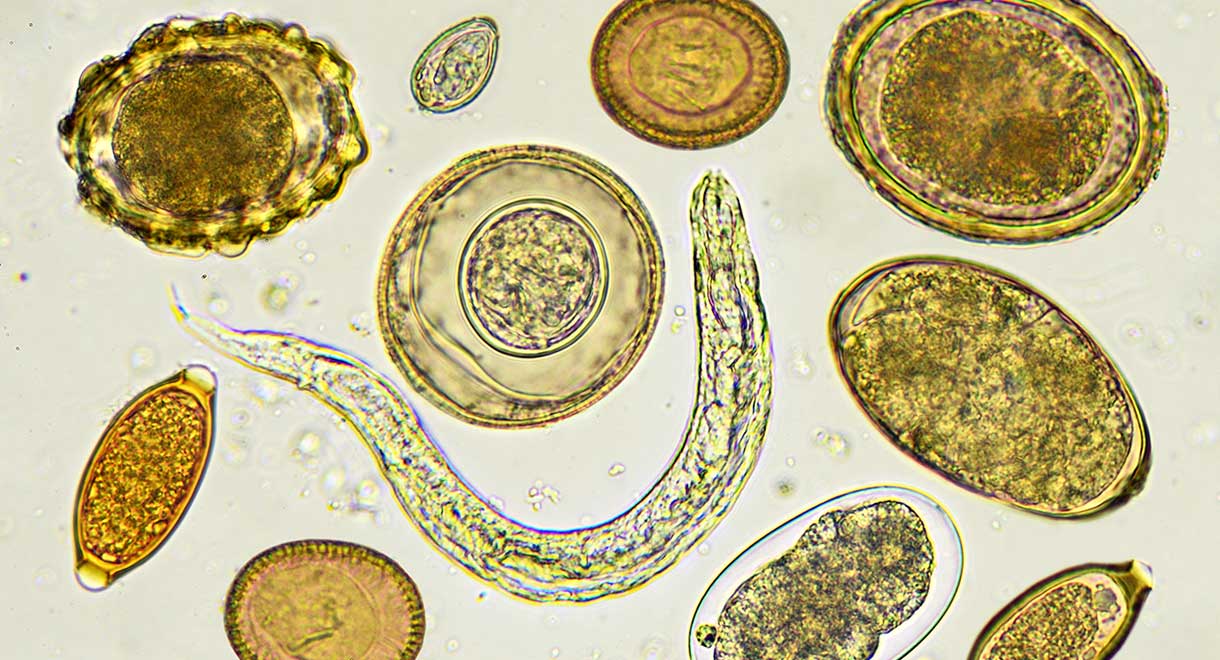
Tapeworms are flat and segmented and shaped like ribbons, and can grow to very large lengths. Tapeworm larvae can be found in undercooked meat or fish. From the larvae, the worms grow and develop and attach to the small intestine. The tapeworm lives in the small intestine by absorbing nutrients from ingested foods. Tapeworm infection often produces no symptoms, but nutritional deficiencies may arise, as it steals nutrients from the host.
Tapeworms can steal our nutrients, block our intestines, and take up space in our organs. A tapeworm cyst can lodge in the brain, eye, liver, and other parts of the body.
These cysts cause an inflammatory response, which may take 4 or 5 years to occur. This can result in blindness, seizures, neurological deficits, and hydrocephalus (swelling of the head).
Segments of the worm can crawl out of the anus.
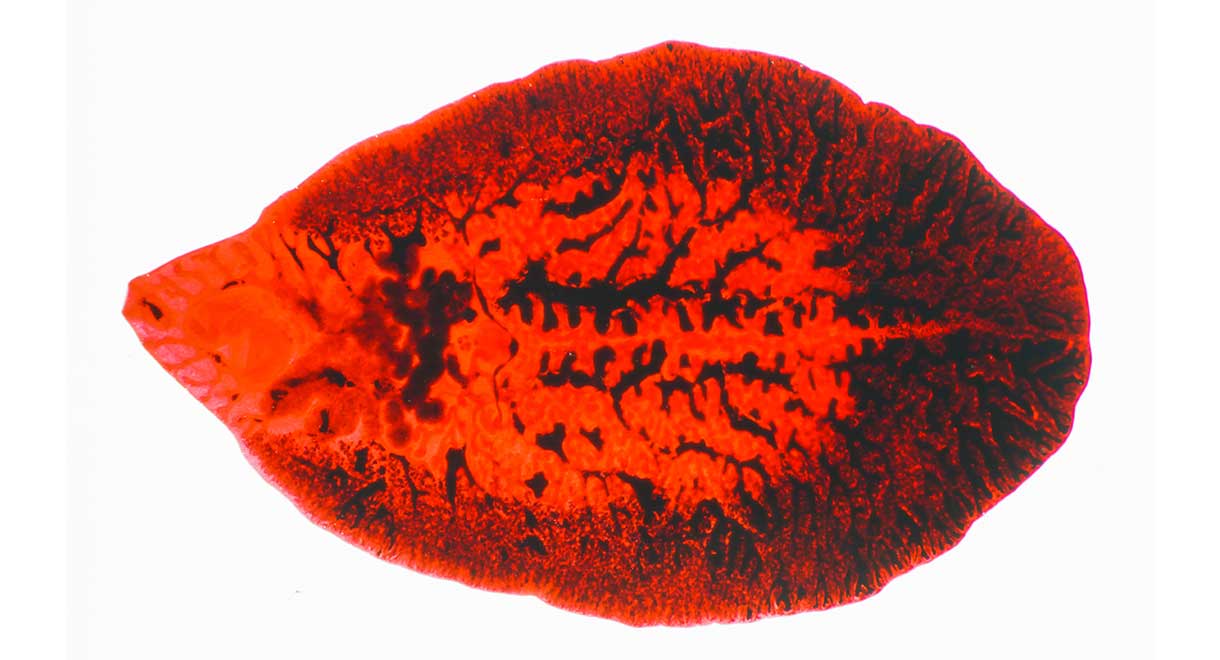
Trematodes, or flukes, have an enormous impact on the health of humans and infect over 200 million people worldwide. Flukes are flatworms and are leaf-shaped and attach to the host using abdominal suckers. It usually begins its life cycle in snails as larvae that then infect fish, vegetation, or humans. Flatworms can travel to lungs, intestines, bile ducts, heart, brain, and the liver.
Symptoms include vomiting, diarrhea, and stomach pain. Infection with intestinal fluke arises from eating infected water vegetables, such as water chestnuts, bamboo shoots and watercress.
The worm attaches to the gallbladder and bile ducts, causing inflammation and local trauma. Symptoms include jaundice, fever, coughing, vomiting, and abdominal pain. Cancer of the bile ducts may occur.
In the lungs, the parasite can cause cough with blood stained mucus. It can rarely travel to the central nervous system. It can be fatal in rare cases. Over 20 million people are believed to be infected worldwide. Most cases are found in Asia, but it can also be found in Africa and the Americas. Cases sometimes occur in the United States, particularly in the Midwest and southern states. These are due to Paragonimus kellicotti from eating raw or undercooked fresh water crab or crayfish.
It can be diagnosed by finding eggs in sputum samples (or in stool samples if the eggs are coughed up and swallowed).
Schistosomiasis is the second most prevalent tropical disease after malaria and is a leading cause of disease in many parts of the world. It is not uncommon in Australia because of the many travellers who visit endemic areas and swim in freshwater lakes. It is not found in the United States, but it’s a very common disease worldwide, infecting some 240 million people every year. It is found in 70 countries and is also called bilharzia or bilharziasis.
The disease is most commonly found in Africa, Asia, and South America. In tropical countries, schistosomiasis is second only to malaria among parasitic diseases with the greatest economic impact. These worms require more than just humans for their life cycle; they require fresh water lakes and ponds with snails. The schistosome eggs are contained in human stool or urine, and are deposited in lakes where people do not have sufficient sanitation.
These eggs hatch, and then in the next stage of development they live within the snails in the lake. Larvae later emerge from the snails and spread into the water, where they will find a human. The larvae penetrate the person’s skin, enter into their bloodstream, and then pass through the lungs and other parts of the body until they land where they lay eggs; the cycle then begins again. Some people feel itchy where the larvae enter the skin.
Symptoms can include an itchy rash, fevers, a dry cough, muscle pain, headaches and blood in the urine. The immature worms can get lost in the body, getting trapped in the lungs or brain and can cause paralysis, speech problems, and seizures. If the infection travels into the veins around the liver, the person may have an increased risk of cirrhosis and other liver problems, including liver and bowel cancer.
The drug praziquantel is an effective treatment; however, the disease is often found late, when it already has damaged the liver or other organs, and that damage can’t be undone. Schistosomiasis is a disease of poverty and poor waste sanitation.
Drugs that rid the body of parasitic worms are known as anthelminthic drugs. Examples include albendazole and mebendazole. Infections are generally treated for 1-3 days. These drugs are effective and generally have few side effects.
Mebendazole is used to treat threadworms, roundworm, whipworm and hookworm infections.
The most commonly used drugs are Praziquantel (Biltricide), Albendazole (Albenza), and Nitazoxanide (Alinia).
Fluke infections are treated with the drugs praziquantel or triclabendazole. If the brain is infected, corticosteroids may also be given.
There are herbal extracts and oils which have natural anti-microbial properties, and can be used for several weeks to several months to reduce the risk of catching intestinal parasites and to prevent them from recurring. These natural remedies can also be used after a course of drugs is taken. Many people have parasites and they are not always easy to detect in tests of the feces.
Using these natural remedies may resolve your symptoms.
Each capsule contains:
– Wormwood flower and leaf (Artemisia absinthium)
– Black Walnut Green Hull (Juglans nigra)
– Cloves (Syzygium aromaticum)
– Garlic (Allium sativum)
– Butternut root bark (Juglans cinereal)
– Buckthorn bark (Rhamnus frangula)
– Pau D’Arco (Tabebuia heptaphylla)
Bactoclear is a specially manufactured enteric coated capsule, which means its active ingredients are protected from stomach acid and are released into the small intestines. Each capsule contains:
– Phellodendron amurense (Phellodendron)
– Essential oils of: Origanum vulgare (Oregano), Thymus vulgaris (Thyme), Syzygium aromaticum (Clove bud)
Drink it daily for 2 weeks, ½ an hour before food.
Drink this mixture each morning half an hour before breakfast for 1 to 2 weeks.
Chew raw garlic or drink garlic tea daily on an empty stomach for about a week.
Always ensure the castor oil is labelled as edible.
Your doctor can order a stool ova and parasites test to determine if there are parasites and/or their eggs in your stool (feces). It is an easy and inexpensive lab test and is commonly requested. Your doctor will probably ask you to collect a sample of your stool at home and drop it to the laboratory for testing. The laboratory will perform a microscopic examination of your stool sample. A wet mount preparation is examined for the presence of eggs.
It is recommended that three or more stool samples are collected on separate days and each sample needs to be examined. The laboratory may request you to put your stool specimens into special containers with preservative fluid. Specimens not collected in a preservative fluid may need to be refrigerated, but not frozen, until delivered to the lab, so make sure you get exact instructions.
Your doctor may request that the laboratory uses specific stains or that special tests be performed to look for parasites not routinely screened for.
Some parasitic infections can be detected by testing blood, but there is no blood test that can check for all parasitic infections. A serology test is used to check for antibodies or for parasite antigens produced when the body is infected with a parasite and the immune system is trying to fight it.
An excellent resource that covers all the parasites that infect mankind can be found at – www.cdc.gov/dpdx/az.html
The above statements have not been evaluated by the FDA and are not intended to diagnose, treat or cure any disease.


When you submit your email, you agree to join our mailing list and receive helpful updates, special offers, and product news.