


These Foods May Raise Parkinson’s Disease Risk
- Home
- These Foods May Raise Parkinson’s Disease Risk

New research has shown that high intake of ultra processed foods such as packaged snacks, confectionary(candy), soda, and fast food was linked to increased risk of early, non-motor symptoms of Parkinson’s disease.

Analysis of almost 43,000 people showed that those who consumed an average of 11 or more serves of ultra processed foods per day were twice as likely to develop at least three early warning signs of Parkinson’s disease compared to those who ate less than three servings per day.
The early signs noticed in these individuals include sleep problems (rapid eye movement sleep behavior disorder), body pain, depression and constipation. These are common symptoms that many people suffer from, and most don’t go on to develop Parkinson’s disease. In this study researchers identified that there was a higher incidence of Parkinson’s disease in the future in people who had these signs and ate a lot of processed food. 11 serves of processed foods per day sounds like a lot but it really isn’t when you consider a serving size on a packet of cookies is usually just one cookie, or two squares in a block of chocolate.
Almost 90 thousand people in the United States are diagnosed with Parkinson’s disease each year. It is the second most common neurodegenerative disease after Alzheimer’s disease. The incidence of Parkinson’s disease rises with age and it is 1.5 times more common in men than women. It is a neurodegenerative disorder that affects the dopamine-producing neurons in a specific region of the brain called the substantia nigra.
Symptoms usually develop slowly over many years. The progression of symptoms is often a bit different from person to person due to the diversity of the disease.
Current treatments for Parkinson’s disease are not terribly effective; they are designed to replace dopamine and slow down the progression of the disease. Earlier studies have shown that an overgrowth of harmful gut bugs can increase the risk of Parkinson’s disease. This is because gut bugs communicate with the brain via nerves. Gut problems can also raise the risk of dementia and other neurodegenerative conditions. Processed foods feed all the wrong gut bugs, and in this way raise inflammation in the body.

Recently, studies have shown that oxidative stress in the brain actually plays a critical role in the development and progression of Parkinson’s disease. The oxidative stress lowers levels of glutathione, which is your body’s own antioxidant and designed to protect your brain from oxidative damage. Research conducted on brain cells shows that NAC (n-acetyl-cysteine) helps to reduce oxidative damage to neurons by helping to replenish the levels of glutathione.
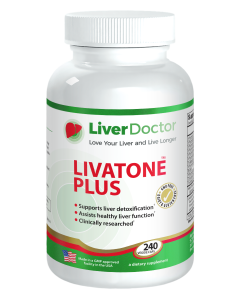 shown that people who have low cholesterol are at higher risk of Parkinson’s disease. Your liver produces the majority of the cholesterol in your body. Having a healthy liver regulates and normalizes cholesterol production. If you wish to improve your liver health, the book The Liver Cleansing Diet will give you the tools on how to do that and the liver tonic Livatone Plus provides the nutrients your liver needs to become more efficient.
If you are concerned about your health, please see your doctor for a correct diagnosis. Don’t assume you know what the problem is based on what you have read.
The above statements have not been evaluated by the FDA and are not intended to diagnose, treat or cure any disease.


When you submit your email, you agree to join our mailing list and receive helpful updates, special offers, and product news.