


Natural Remedies For Reflux In Children
- Home
- Natural Remedies For Reflux In Children

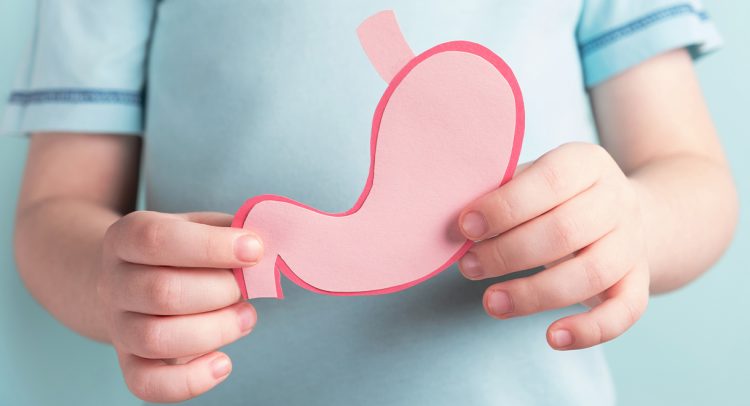
Acid reflux is an extremely common digestive problem in both adults and children. Many people struggle with the condition because conventional medication either doesn’t relieve the symptoms well enough, or has harmful long term side effects. Fortunately there are a number of safe and effective natural remedies.
A leading pediatric gastroenterologist is worried about the harmful effects of stomach acid blocking drugs in young children and babies. Dr Eric Hassall has found that use of proton pump inhibitors grew exponentially for babies less than a year old in the past decade. Proton pump inhibitors are powerful drugs that block the ability of the stomach to produce acid. They are commonly given to adults who suffer with heartburn, acid reflux and regurgitation. Common examples include Nexium, Losec and Zoton. Dr Hassall blames advertising by pharmaceutical companies for the rise in use, as well as incorrect diagnoses.
He stated that the majority of these babies don’t actually have acid reflux. One study that examined data from more than 1 million babies found a seven-fold rise in the amount of acid reflux medication prescribed to infants between the years 1999 and 2004. The FDA has never approved the use of proton pump inhibitors in infants under one year of age because no studies have ever been conducted to confirm their effectiveness or safety. It is well known that the use of these drugs in adults is highly risky because there are several potentially serious side effects. Stomach acid is a good thing. It is necessary for adequate digestion as well as inhibiting the growth of harmful microbes in the gastrointestinal tract. Adults who take proton pump inhibitors are at increased risk of kidney disease, dementia, osteoporosis and severe bowel infections. These drugs cause several nutrient deficiencies, particularly magnesium and B vitamins. It is extremely irresponsible to prescribe them to young infants. Digestive problems in infants are usually the result of food intolerance or allergy. Changing the diet (or changing mom’s diet if she is breast feeding) is usually an effective strategy for reducing symptoms. Slippery elm, ginger and peppermint are all soothing to the lining of the stomach and esophagus.
The stomach produces a lot of hydrochloric acid during eating and for good reason, because without it, you cannot digest proteins efficiently and you will not absorb calcium and other minerals from foods. There is a circular muscle around the lower esophagus, which divides it from the stomach, and this normally remains contracted to prevent back flow of stomach acid. During swallowing, this muscle normally relaxes, allowing food to pass from the esophagus into the stomach, after which it should remain contracted. If this circular muscle becomes weakened or too relaxed, reflux can occur after meals.
Prolonged exposure of the fragile esophageal mucosa to acid can result in an increased risk of esophageal cancer later in life, severe scarring and narrowing (stricture formation). The passage inside the esophagus can become so narrowed that a stricture develops. This causes difficulty in swallowing normal amounts of food and results in pain, obstruction, or vomiting up the food that gets stuck. Surgery to enlarge the lower esophagus may then become necessary.
The above statements have not been evaluated by the FDA and are not intended to diagnose, treat or cure any disease.


When you submit your email, you agree to join our mailing list and receive helpful updates, special offers, and product news.