


Hemochromatosis
- Home
- Hemochromatosis

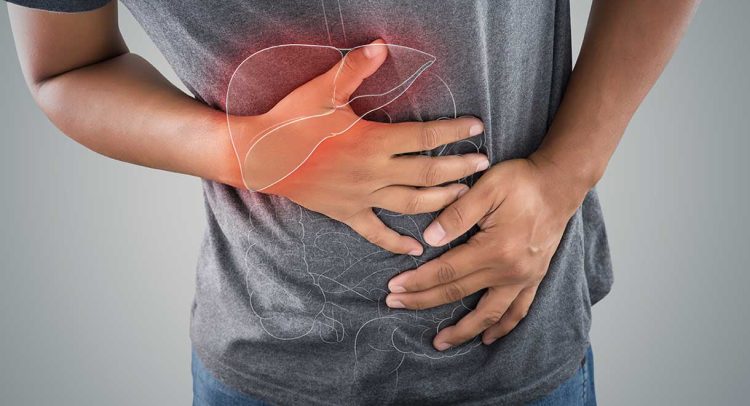
 Hemochromatosis is a disorder of iron regulation – it is an inherited disease where excess “free” iron is deposited in various organs including the liver, heart, joints and pancreas. The iron is ‘free’ because it is not bound tightly to carrier proteins which would otherwise prevent it from damaging cells.
The iron cannot be broken down and eliminated from the body and this leads to iron overload in the body. The iron accumulates over a long period of time and early diagnosis is vital as the excess iron is stored gradually over a lifetime. The earlier it is diagnosed, the less chance of development of liver cirrhosis, liver cancer, heart disease and diabetes.
The condition occurs more commonly in men – this is due to the fact that women have regular monthly blood and thus iron loss due to menstruation.
Hemochromatosis is often a silent disorder that is commonly picked up in younger persons during routine blood tests for other problems. However, as iron slowly accumulates in the organs over the years, other complaints may arise such as arthritis, liver problems, heart problems and diabetes.
The presence of this excess iron creates toxic free radicals that damage cells and tissues leading to liver damage (cirrhosis), pancreatic damage (diabetes), heart problems and joint problems. After many years, the risk of liver cancer is high
 Hemochromatosis is an inherited condition. The disease may be passed on when 2 people who are carriers of the gene for the condition have a child. There is then a one in four chance that this child may have an active form of the disease. The parents and any unaffected children are carriers of only one gene and will not generally develop problems related to excess storage of iron.
If you have been diagnosed with hemochromatosis it is wise to have your blood relatives screened – and your spouse if you plan to have children. It is found in people of Northern European descent and is most common in the Irish.
Treatment of hemochromatosis consists of regular venesections (removal of blood, similar to a blood donation). Venesection, if done regularly, will prevent the disease completely, provided it is started early enough in the person’s life; thus the importance of early diagnosis. However, it is never too late to start venesections. Treatment is life long.
The triad of bronze skin, enlarged liver and diabetes mellitus is only present in cases of very severe iron overload.
The test used to diagnose hemochromatosis is the HFE gene analysis for C282Y mutation. This requires a blood sample.
Juices are vitally important as a source of powerful antioxidants. It is good to use both whole fruits and vegetables in the diet as well as the juices, as the juices provide an easily absorbed form of nutra-ceuticals that are beneficial for the liver. Lots of useful and delicious recipes can be found in “Raw Juices Can Save your Life” book.
The above statements have not been evaluated by the FDA and are not intended to diagnose, treat or cure any disease.


When you submit your email, you agree to join our mailing list and receive helpful updates, special offers, and product news.