


The Truth About Microwave-Safe Plastic
- Home
- The Truth About Microwave-Safe Plastic

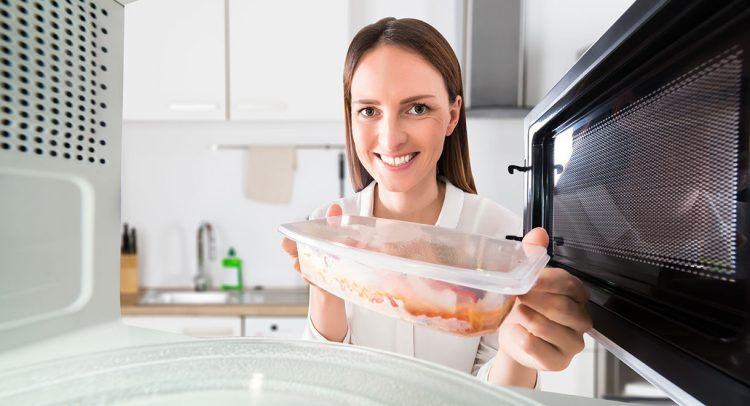
Plastic is used to make food containers, drink bottles, piping, to line food cans, in flooring, toys, food packaging, bags and is even used in clothing. We are exposed to plastic in so many different ways that it would be nearly impossible to avoid it completely. We know that is unsafe to heat your food up in old takeaway containers or non-reusable plastic. What about food containers that are designed for heating? On a daily basis, people purchase ready-made microwave meals, get food delivered, and do meal prep in plastic containers. They heat them up in the microwave because the label says it’s safe to do so, and they don’t really put any more thought into it. If it is marked with a ‘microwave safe’ symbol, it won’t cause any problems, right? Well, not necessarily. Here’s why-
When a plastic container is marked with a microwave safe symbol, it means that it has been tested. They ensure that it does not melt or warp from the heat of the microwave, retaining its shape. ‘Microwave safe’ does not mean that the container will not leech toxic ingredients into the food, it merely means that the container will not explode or get so hot that it burns your hand. It does not mean that they contain no nasty chemicals, or that they won’t leech into the food. The levels of chemicals that enter the food are considered to be ‘safe’, but if you are exposing yourself to these chemicals on a regular basis, who knows what the consequences could be.
The most troublesome chemical is bisphenol A (BPA), which can mimic oestrogen in the body, causing endocrine disruption, infertility, and affect child development. This is just one of the chemicals used in plastic manufacturing. When you heat food in plastic containers, small amounts of these chemicals leach into the food. If the containers are scratched or damaged at all, or if there is fat (such as oil) in the food, the amount of chemicals that are absorbed increases drastically. Researcher Frederick Vom Saal who has studied the BPA chemical for many years stated that “there is no such thing as safe microwavable plastic”.
Is it worth the risk? If you’ve been microwaving your food in plastic containers for years, this will have been further adding to the huge toxic load you’re exposed to through cleaning products, cigarette smoke, personal care products, alcohol, food additives, pesticides, air pollution and medication.
Here’s what you need to do:
See Dr Cabot’s book The Liver Cleansing Diet for more information on how to improve your liver health.
The above statements have not been evaluated by the FDA and are not intended to diagnose, treat or cure any disease.


When you submit your email, you agree to join our mailing list and receive helpful updates, special offers, and product news.