


High Cortisol Can Inhibit Fat Loss
- Home
- High Cortisol Can Inhibit Fat Loss


Long term stress or intense stress can significantly alter your body’s metabolism. You may have experienced this yourself. If your stress level is high, your body tends to hold onto fat and fluid. Stress can also alter your sex hormone balance and neurotransmitter levels. You can be doing all the right things with your diet and exercise and not make weight loss progress if you are suffering with stress. Cortisol is the main stress hormone produced by your body. Fortunately there are ways to support your body and minimise the negative impacts on your health and weight.
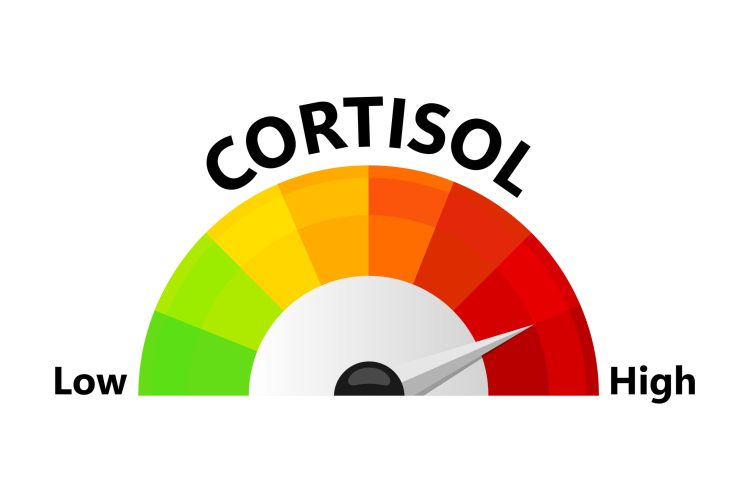
Cortisol is a hormone made by your adrenal glands, which are two glands that sit on top of your kidneys. This hormone is actually made of cholesterol, like a lot of other important hormones in your body. It is normal and beneficial to have some cortisol in your bloodstream at all times. It is supposed to be highest in the morning, to give you some energy and motivation to get out of bed and get things done.
Cortisol is supposed to drop off in the evening, in order to help you relax, unwind and get ready to sleep. Problems arise when there is too much cortisol in the bloodstream all day and night. When you feel stressed, your adrenal glands release cortisol and adrenaline in order to give you energy, make you feel more alert and increase blood flow to your muscles (so you can run away from someone who may be chasing you). When the feeling of stress passes, these hormones are supposed to fall back down again and allow you to feel relaxed. Unfortunately some people never feel relaxed; they bounce from one type of stress to the next from the moment they wake up until they collapse into bed at night.
Stress can interfere with your ability to sleep, and that raises levels of hunger hormones, making you want to eat more. Exhaustion reduces the likelihood a person will cook healthy meals and exercise. Stress can also lead to anxiety or depression, which may drive emotional eating and food addiction for a large number of people. Cortisol worsens insulin resistance, predisposing an individual to type 2 diabetes. This is especially true if you have been experiencing long term stress and if you carry excess weight on your abdomen.
 promotes fat deposition inside the liver and all around the abdominal organs. This is dangerous because excess weight in that area raises the risk of heart attacks and strokes.
You can have a blood test to measure your level of cortisol. You need to have it tested twice in a day; once at approximately 7:30 to 8am and again at approximately 5:30 to 6pm.
The most effective and most important way to lower your blood cortisol is to reduce your stress level. This is obviously easier said than done. You may need to change some circumstances in your life, or change the way you perceive these circumstances. However admittedly there are some instances in life where we really don’t have the ability to change our circumstances. In that instance it is important to try and support your body physically as best as possible.
Try to get enough sleep, rest and relaxation. Don’t go to bed too late. Try to be in bed by 10pm. Don’t look at the clock while in bed. Even if you are awake for long stretches of the night, laying in bed and resting will still benefit your body. Melatonin can help you fall asleep.
Do some gentle exercise. Don’t exhaust yourself. Prolonged strenuous exercise can raise cortisol even further. The trick is to just do enough to energise yourself. 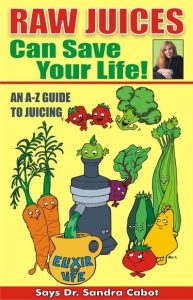
Follow an anti-inflammatory diet. Excessive inflammation in your body is perceived as a type of stress and therefore promotes raised cortisol. The worst foods for raising inflammation are sugar, dairy products, gluten, seed oils, alcohol and any food you are allergic to. Try to minimise your intake of those foods. Instead, try to base your diet on fresh vegetables, good fats (avocados, olive oil, raw nuts, seeds, oily fish, fat from pastured animals, ghee) and good quality protein (poultry, grass fed meat, eggs, whey protein powder). Making your own raw vegetable juices is an excellent way for reducing inflammation. See the recipes in the book Raw Juices Can Save Your Life.
The above statements have not been evaluated by the FDA and are not intended to diagnose, treat or cure any disease.


When you submit your email, you agree to join our mailing list and receive helpful updates, special offers, and product news.