


Osteoporosis: Best Remedies For Prevention And Management
- Home
- Osteoporosis: Best Remedies For Prevention And Management

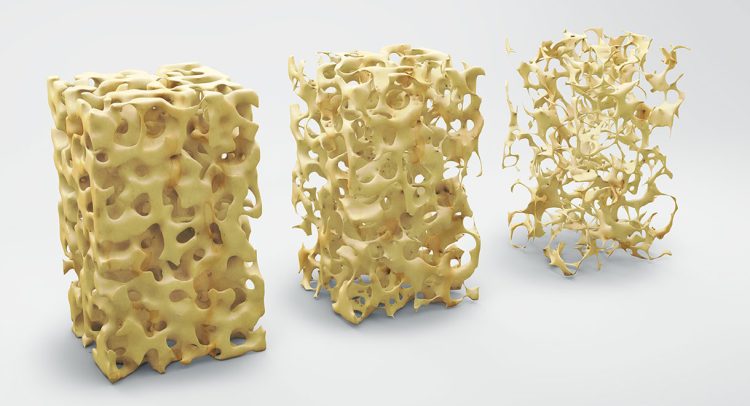
The bone thinning disease osteoporosis is becoming increasingly common. According to the National Osteoporosis Foundation, it is estimated that 10 million Americans have the disease, and almost 34 million have low bone mass, placing them at increased risk of osteoporosis. According to the Australian Institute of Health and Welfare, 692,000 Australians had doctor diagnosed osteoporosis in the years 2007-2008. As the population continues to age, this problem can only get worse.
Osteoporosis is a silent disease in that it is often not diagnosed until there has been a bone fracture and it can be too late to repair the damage. It is obviously better to prevent osteoporosis and it’s good to start at a young age. But even if you have osteoporosis it is possible to increase your bone density with the right tools
Many factors affect our risk of developing this condition, such as:
Osteoporosis is not a simple case of not getting enough calcium in the diet.
It is probably more our lifestyle that is causing it to be so common. It is also the epidemic of vitamin D deficiency and if you are low in vitamin D you cannot absorb calcium from your food and you cannot deposit calcium in your bones. You can take a lot of calcium, but if you are vitamin D deficient the calcium is useless!
Here are some factors under your control that can determine whether or not you will develop osteoporosis:
Vitamin D is made in large amounts from cholesterol in the skin when the skin is exposed to the sun. In reality vitamin D is actually a steroid hormone and not a vitamin.
In addition to skin manufacture from sunlight, vitamin D can be found in such foods as oily fish, canned fish, cod liver oil, liver, egg yolks and dairy products. It is also available in supplement form, with the current recommendation being that you take between 1000 and 5000 IU of vitamin D3 daily. Many people, especially those who avoid the sun or those living in cold countries, need much more than this and doses of around 10, 000 IU daily may be needed before you can get your blood levels of vitamin D into the higher desirable range.
Regardless of how you get it, make sure that you have an adequate amount of vitamin D in your body. It is easy to check your body’s levels of vitamin D with a simple blood test; if your levels are below or at the lower limit of the normal range please take a vitamin D 3 supplement and get some sunshine on your skin. Recheck your blood levels after 3 months to ensure your vitamin D increases to the higher limit of the normal range. Make sure that you do not become deficient in vitamin D again.
It is vitally important to ask your doctor to check your blood level of vitamin D. The correct blood test to measure your vitamin D level is called 25(OH) D, also called 25-hydroxyvitamin D3.
Vitamin D can be measured in two different units of measurement and in the USA the units used are ng/mL. In Australia and Canada the units of measurement are nmol/L.
The normal ranges of vitamin D for blood tests reported by different laboratories and countries vary significantly and you will be surprised by the large range between lower normal and upper normal – see table below:
| Lower Limit Vitamin D | Upper Limit Vitamin D |
|---|---|
| 75 nmol/L | 200 nmol/L |
| 30 ng/mL | 80 ng/mL |
You don’t want to be average here; you want to have levels of vitamin D that optimize strong bones. The optimal levels of vitamin D are higher than the average levels.
I recommend you take enough supplements of vitamin D3 and/or get enough sunshine to keep your serum vitamin D levels around 150 to 200 nmol/L or 70 to 80ng/mL.
Excess vitamin D intake can cause elevated blood calcium levels; so don’t overdose on it – it’s not a case of the more the better. Get your blood level checked every 6 months to find the dose of vitamin D3 that keeps you in the optimal levels.
| Food | Average Serve | Milligrams of Calcium |
|---|---|---|
| Whole milk | 250 ml (1 cup) | 300 |
| Skim milk | 250 ml (1 cup) | 300 |
| Goat’s milk | 250 ml (1 cup) | 295 |
| Powdered skim milk | 1 tablespoon | 130 |
| Yogurt | 200 g | 240 |
| Block cheese | 30 g (3 cm cube) | 258 |
| Fetta cheese | 30 g | 129 |
| Ricotta | 30 g | 100 |
| Egg | 60 g | 35 |
| Sardines | 100 g | 350 |
| Salmon (with bones) | 100 g | 190 |
| Almonds | 30 g (average 25 nuts) | 70 |
| Brazil nuts | 30 g (7 – 8 nuts) | 55 |
| Whole sesame seeds | 30 g (2 ½ tablespoons) | 290 |
| Rhubarb | ½ cup (cooked) | 170 |
| Fresh fruit each piece | (average) | 10 – 30 |
| Broccoli | 1 cup | 50 |
| Spinach | 1 cup | 100 |
| Vegetables | 1 cup (average) | 10 – 50 |
| Chick peas | ½ cup | 75 |
| Baked beans | ½ cup | 60 |
| Kidney beans | ½ cup | 60 |
| Soy beans | ½ cup | 90 |
| Bread | (average all types) 1 slice | 30 |
| Tahini (sesame paste) | 1 tablespoon | 85 |
| Tofu | ½ cup (130 g) | 130 |
The above statements have not been evaluated by the FDA and are not intended to diagnose, treat or cure any disease.


When you submit your email, you agree to join our mailing list and receive helpful updates, special offers, and product news.