


5 Midlife Habits That Could Protect Your Brain from Dementia
- Home
- 5 Midlife Habits That Could Protect Your Brain from Dementia


Dementia is one of the biggest causes of death in the USA, and women face roughly double the risk of developing Alzheimer’s disease compared to men.
Fortunately, there is encouraging news. Research consistently shows that your choices in midlife have a profound impact on your brain health decades later. Brain changes linked to dementia can start 20 to 30 years before symptoms emerge, making midlife a critical window of opportunity.

Dementia isn’t one specific disease; it’s an umbrella term covering a range of conditions that affect memory, thinking, behaviour, and daily functioning. More than 7 million US citizens currently have dementia.
The most common forms include:
Alzheimer’s disease accounts for roughly 70% of all cases. It involves the accumulation of amyloid plaques and tau tangles that progressively destroy brain cells. Alzheimer’s is now understood to be closely tied to insulin resistance in the brain. So much so that some researchers describe it as Type 3 Diabetes.
Vascular dementia is the second most common type, caused by reduced or blocked blood flow to the brain, often following strokes or years of damage to blood vessels. High blood pressure, elevated blood sugar, and poor metabolic health are all major contributing factors.
Lewy body dementia involves abnormal protein deposits forming in the brain, often producing changes in alertness, visual hallucinations, and movement difficulties reminiscent of Parkinson’s disease.
Frontotemporal dementia targets the brain’s frontal and temporal lobes, which govern personality, behaviour, and language. It tends to develop earlier than other types, sometimes affecting people in their 40s and 50s.
Each type has its own mechanisms, but they share common underlying risk factors: insulin resistance, chronic inflammation, disrupted sleep, ongoing stress, and in women falling estrogen levels. Protecting your metabolic health is also protecting your brain.
The link between insulin resistance and dementia is one of the most important connections in brain health. As mentioned, Alzheimer’s is sometimes labelled Type 3 Diabetes because of how tightly it’s linked to the brain’s inability to use insulin effectively.
When insulin resistance sets in, the brain is deprived of the energy it needs. Over time, this triggers inflammation, causes cellular damage, and lays the groundwork for cognitive decline.
How can you fix insulin resistance? Cut back on processed foods, sugar and refined carbohydrates. Base your diet on whole foods, and work to keep your blood sugar stable. Berberine is a plant extract that helps to reverse insulin resistance. It improves blood fats and blood sugar and makes weight loss much easier and faster than diet changes alone.
During deep sleep, the glymphatic system in your brain clears out metabolic waste, including the amyloid plaques and tau tangles associated with Alzheimer’s. People who don’t sleep enough miss out on this.
A 2025 Neurology study linked chronic insomnia to a 40% greater risk of dementia or mild cognitive impairment, with poor sleep appearing to age the brain by three to four years.
Try to get seven to nine hours of sleep each night, stick to a consistent bedtime, and wind down your evenings by limiting alcohol, screens, and stress where you can. If you struggle to fall asleep or stay asleep, try taking magnesium with your evening meal. It is a wonderfully calming and relaxing mineral.
Physical activity is among the most thoroughly researched strategies for reducing dementia risk. It boosts blood flow to the brain, lowers inflammation, improves insulin sensitivity, and even supports the growth of new brain cells.
Something many people don’t realise: just ten minutes of movement after eating can significantly blunt the blood sugar spike that can follow a meal. That matters because repeated spikes over many years contribute directly to insulin resistance.
You don’t need to run. A post-dinner walk, a few resistance training sessions each week, and generally moving more throughout the day all contribute to meaningful long-term protection.
Chronic stress is a direct contributor to both insulin resistance and brain inflammation. When your stress response stays switched on, cortisol remains elevated, and over time, research suggests this takes a particular toll on the hippocampus, the brain region most central to memory and learning.
Practical strategies for reducing stress include mindfulness, breathwork, time spent outdoors and with animals and nurturing social connections. Even a few minutes of slower breathing each day can meaningfully shift your nervous system. Anxiety and poor stress coping abilities are extremely common during peri menopause and menopause. This is due to the drop in the calming hormone progesterone. Using a bio-identical progesterone cream can make the world of difference.
Estrogen is far more than a reproductive hormone. It’s neuroprotective, supporting blood flow to the brain, dampening inflammation, and helping regulate metabolic processes that appear to guard against Alzheimer’s. The steep drop in estrogen that comes with menopause is believed to be a key reason women carry a disproportionately higher risk.
For years, hormone therapy was avoided following the flawed 2003 WHI study. But the current body of evidence tells a different story: for many women, menopausal hormone therapy started at the right time may contribute to reduced dementia risk. There is a great deal of information about this topic in my book Hormone Replacement Therapy: The Real Truth.
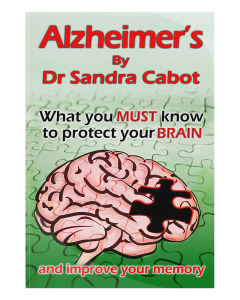
Dementia has identifiable drivers and many of them are within your influence. Your metabolic health, sleep quality, activity levels, stress response, and hormonal health are all levers you can act on. The sooner you start, the more resilience you build for the decades ahead. For more information see the book Alzheimer’s: What you must know to protect your brain.
The above statements have not been evaluated by the FDA and are not intended to diagnose, treat or cure any disease.


When you submit your email, you agree to join our mailing list and receive helpful updates, special offers, and product news.