


Case Study: Reflux, Fatty Liver and a High-Stress Job
- Home
- Case Study: Reflux, Fatty Liver and a High-Stress Job


Mark is a friendly 48 year old man who came to see me because his wife had finally convinced him to do something about his health. Mark works in finance and describes his job as “relentless”. He’s usually at his desk by 7am, often doesn’t leave until after 7pm, and checks his phone for emails well into the night.
For the past few years he’s suffered with reflux, and it has gradually got worse. Most nights he wakes around 3am with a burning feeling in his chest and a racing mind, and he struggles to get back to sleep. Mark’s father had a heart attack at 61, and Mark admitted that this had been playing on his mind.
Mark had been relying on over-the-counter antacids for his reflux, sometimes taking them several times a day. He had also recently been prescribed medication for high blood pressure. At his last check-up his doctor noticed his liver enzymes were mildly raised and his triglycerides were high. An ultrasound scan showed a fatty liver. Mark was surprised by this because he isn’t overweight, but he said he’d noticed his belt getting tighter over the last few years. Fat that builds up around the middle is closely linked with fat building up in the liver.
Mark’s eating habits were shaped entirely around his work. He usually skipped breakfast and got through the morning on three or four coffees. Lunch was either a sandwich eaten at his desk or a long business lunch with clients. By mid-afternoon he’d hit an energy slump and reach for something sweet from the office kitchen. Dinner was often late and eaten quickly, and Mark said a couple of glasses of red wine each night was “the only way to switch off”. He hadn’t exercised regularly since his kids were little.
The first thing I explained to Mark was how closely stress and digestion are connected. When you’re in “fight or flight” mode, your body sends blood away from the digestive system, so food isn’t broken down properly and reflux becomes more likely. I asked Mark to take five slow, deep breaths before each meal and to eat away from his desk whenever possible.
Timing was also important. Lying down with a full stomach is one of the biggest triggers for night-time reflux. I asked Mark to finish his evening meal at least three hours before bed. On late nights he agreed to have a much larger lunch, so that he wasn’t overly hungry in the evening and didn’t need to eat much.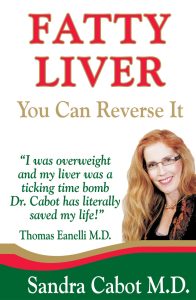
I asked Mark to base his diet on meat, seafood, poultry, eggs and plenty of vegetables, and to cut back on bread, pasta, sweets and sugary snacks. Refined carbohydrates and sugar are converted into fat in the liver, and reducing them is one of the most effective ways to improve a fatty liver. Having eggs or a protein smoothie for breakfast would help Mark avoid the mid-afternoon slump and the cravings that came with it.
Alcohol and coffee were both aggravating Mark’s reflux. We agreed that he would keep his weekdays alcohol-free and limit himself to one or two coffees before midday. Mark was worried about how he’d unwind without wine, so we talked about replacing it with a 20 minute walk after work. Regular movement helps to burn  liver fat, lower blood pressure and reduce stress hormones.
Magnesium is a mineral that gets used up quickly during times of stress, and many people with demanding jobs are low in it. It helps to relax the nervous system and muscles, and taking it in the evening can support deeper sleep. I asked Mark to take it after dinner.
Glutamine is soothing to the lining of the entire digestive tract and helps to protect the esophagus and stomach from acid. I asked Mark to take it after his evening meal to help reduce reflux during the night.
To support his liver, I asked Mark to follow the eating plan in my book Fatty Liver: You Can Reverse It and to take 2 capsules twice daily of my liver tonic Livatone capsules.
I plan to see Mark again in four weeks, and I’ve encouraged him to keep up regular check-ups with his doctor so his blood pressure, cholesterol and liver function can be monitored. Please do not stop taking any medication your doctor has prescribed unless you are under the supervision of a healthcare practitioner. Reflux that happens often or lasts a long time should always be checked by a doctor, because it can damage the delicate lining of the oesophagus.
The above statements have not been evaluated by the FDA and are not intended to diagnose, treat or cure any disease.


When you submit your email, you agree to join our mailing list and receive helpful updates, special offers, and product news.