


Cholesterol Lowering Drugs May Harm Your Kidneys
- Home
- Cholesterol Lowering Drugs May Harm Your Kidneys

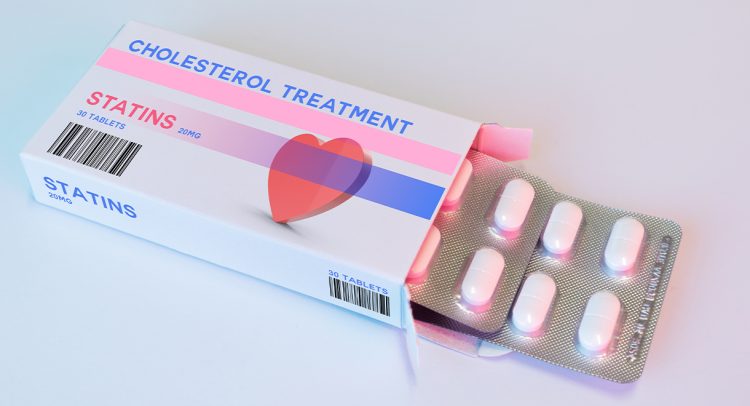
Millions of people take cholesterol lowering drugs called statins every day for decades. Not many people realise they can harm the kidneys. Impaired kidney function is a common problem, especially in those with high blood pressure or high blood sugar. There is a risk of progression to chronic kidney disease. This can impair quality of life and shorten lifespan. Your kidneys are sensitive organs. Looking after them is critical.
Rosuvastatin is a cholesterol lowering drug sold under the brand name Crestor. Recent research has demonstrated an increased risk of kidney failure compared with atorvastatin (Lipitor). This has led researchers to recommend starting and staying with a low dose in patients with chronic kidney disease. The study of almost a million patients starting on statin therapy provides data on proteinuria (protein in the urine), haematuria (blood in the urine) and kidney failure with rosuvastatin. The higher the dose, the greater the risk.
The study was conducted by Johns Hopkins University. Over a follow up period of three years, rosuvastatin users had a 15 percent higher risk of developing kidney failure requiring dialysis or kidney transplant, than patients taking atorvastatin. According to the figures, rosuvastatin was linked with an 8 percent higher risk of haematuria and a 17 percent higher risk of proteinuria. Patients with an eGFR of less than 30mL/min/1.73m2 were at greatest risk. Worryingly, the researchers found that almost 45 percent of patients with moderate to severe kidney disease were prescribed high doses of rosuvastatin. The US Food and Drug Administration’s recommended dose is capped at 10mg a day. Almost half were taking more.
According to the researchers, “These findings suggest the need for closer attention and monitoring to rosuvastatin use, particularly in patients who are receiving high doses or with severe chronic kidney disease.” Please don’t discontinue any medication without prior discussion with your doctor.
Statins work by inhibiting the action of the enzyme inside the liver that’s responsible for cholesterol production. Your liver manufactures cholesterol primarily out of carbohydrate, sugar, alcohol and any excess calories you’ve consumed. People with insulin resistance (hyperinsulinemia) are most prone to developing elevated cholesterol and triglycerides because they do not metabolize carbohydrate well. High cholesterol often occurs together with high blood pressure, abdominal obesity and elevated blood sugar. This combination is called insulin resistance or pre-diabetes.
For more detailed information see the book Cholesterol: The Real Truth.
The above statements have not been evaluated by the FDA and are not intended to diagnose, treat or cure any disease.


When you submit your email, you agree to join our mailing list and receive helpful updates, special offers, and product news.