


Kidney Stones
- Home
- Kidney Stones

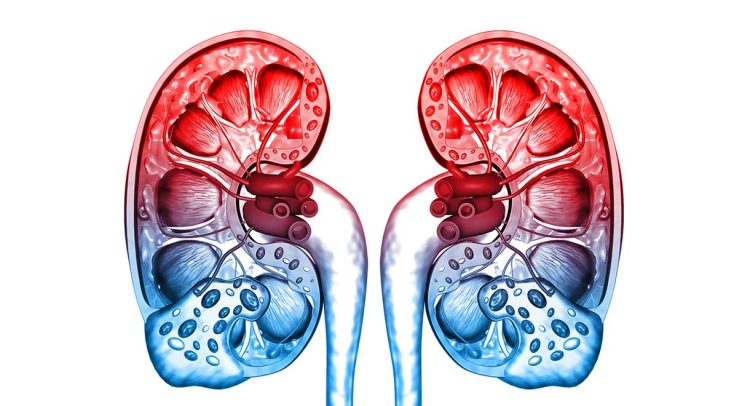
Kidney stones occur when minerals and other chemicals precipitate out of the urine to form insoluble crystals. These crystals attract each other and accumulate to produce a stone. Most stones are small but some can reach a size of several centimeters in diameter.
The most common type, around 65 percent, are made up of calcium and oxalate. Other stones consist of uric acid (as in sufferers of gout), other mixed minerals, or occasionally the amino acid cysteine.
Certain stones may be triggered by the presence of kidney disease or other conditions, such as over-activity of the parathyroid glands, which increases the amount of calcium excreted in the urine. In other cases, there may be a family history of kidney stones where it appears there may be a slight fault in metabolism. Finally, dietary factors can also play a role in kidney stone formation.
The most frequent symptom is pain which may be sharp or dull, constant or intermittent. There is also an increased risk of urinary tract infections. When a stone enters the ureter (the tube connecting the kidney to the bladder), it may either obstruct it or cause spasm of the muscle of the ureter during its downward passage. This produces a most severe and sometimes excruciating pain, known as renal colic, radiating from the loin to the groin.
Stones less than half a centimeter in size will generally pass spontaneously. Those greater than one centimeter will usually require medical intervention. More than 50 percent of patients with a kidney stone will go on to suffer a recurrent stone or stones within the next ten years. The following advice regarding lifestyle, diet and nutritional supplements can greatly reduce the chance of recurrence.
Follow the principles of “The Liver Cleansing Diet” by Dr Cabot for the vital principles of eating. Clean eating principles that support the liver are also good for the kidneys.
For the acute pain of kidney stones strong analgesia, such as pethidine or morphine, is often required – especially for renal colic. This may be combined with an antispasmodic like hyoscine. Urinary tract infections are treated with antibiotics. Unless the stone is moving spontaneously, some form of active treatment is necessary. This may involve an open operation to remove the stone. However, this can usually be avoided by using the newer techniques of lithotripsy or percutaneous nephrolithotomy. Lithotripsy is the use of shock waves generated under water and focused on the stone causing it to break up. The fragments can then be passed spontaneously via the urethra. Percutaneous nephrolithotomy involves creating a narrow track through the skin down to the kidney and using a special telescope called an endoscope to remove the stone along this track.
(References – Griffith HM et al. A control study of dietary factors in renal stone formation. Br J Urol 53:416-20, 1981; Modlin M. Urinary phosphorylated inositols and renal stone. Lancet 2:1113-14, 1980; Shah PJR. Unprocessed bran and its effect on urinary calcium excretion in idiopathic hypercalcuria. Br Med J 281:426, 1980; Rao PN. Dietary habit and urolithiasis, in DLJ Freed, Ed. Health Hazards of Milk. London, Balliere Tindall, 1984; Rao PN et al. Dietary management of urinary risk factors in renal stone formers. Br J Urol 54(6):578-83, 1982.)
The above statements have not been evaluated by the FDA and are not intended to diagnose, treat or cure any disease.


When you submit your email, you agree to join our mailing list and receive helpful updates, special offers, and product news.