


Massive Spike In Liver Cancer Deaths
- Home
- Massive Spike In Liver Cancer Deaths

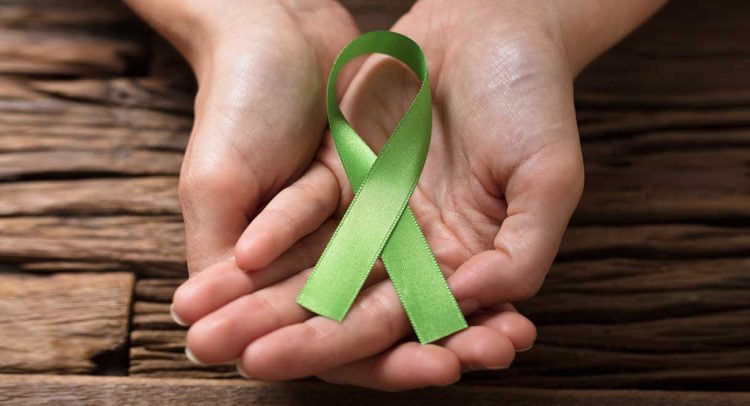
Since the year 2000, the death rate for liver cancer has surged by 43 percent. Men are twice as likely to die from liver cancer as women. It is the second biggest cause of cancer death globally.
When we look at 5 year survival statistics, fewer people in the USA are dying from cancer in general. The opposite is true for liver cancer. More people than ever are dying from the disease. In the USA, death rates have risen for white (48%), black (43%), and Hispanic (27%) adults, but the mortality rate for Asians and Pacific Islanders has decreased by 22%.
Interestingly, at 16.8 per 100,000, the District of Columbia had the highest liver cancer mortality in 2016.
These statistics come from a new report issued by the Centers for Disease Control. Ghassan Abou-Alfa, MD is a medical oncologist at Memorial Sloan Kettering Cancer Center in New York City and has commented on these statistics. He cited non-alcoholic steatohepatitis (NASH or fatty liver) due to obesity and diabetes as the most important risk factor for hepatocellular carcinoma. He went on to say “Unfortunately, the obesity epidemic is ongoing and is increasing, with a forecasted rate between 40% and 50% by 2030”.
Obesity, fatty liver and type 2 diabetes are big risk factors for liver cancer. Infection with hepatitis B or C also raise the risk. There are new and effective drugs available for hepatitis, but their cost keeps them out of reach for a large percentage of Americans. Fortunately there are natural remedies at only a fraction of the cost, which help reduce cancer risk in hepatitis sufferers. I have written an entire ebook about my recommendations for hepatitis, which you can download and read for free here.
Liver cancer can start in the bile ducts inside your liver or gallbladder. This is more likely to occur in people with long standing gallbladder inflammation or infection, overgrowth of bad gut bugs (SIBO) or Helicobacter pylori.
In the report, Abou-Alfa stated that early diagnosis can lead to cure, via surgery, radiofrequency ablation of a tumor, or liver transplant. “The importance of continued screening should be stressed to patients with hepatitis B virus and hepatitis C virus.”
Liver cancer is often difficult to treat because once detected, it has often spread throughout much of the liver. The most important way to reduce your risk is to avoid contracting hepatitis B or C, and avoid developing a fatty liver. If your liver is fatty, it means there is too much inflammation inside. If liver cells are chronically inflamed, they are at greater risk of becoming cancerous.
Here are my recommendations:
References:
https://www.medpagetoday.com/hematologyoncology/othercancers/74072?fbclid=IwAR1c5pSZBw9LCc2W6kNPIUn7MT-8jBIKd5x1TaAlro2EG6MOXOoaleJYnaI
https://www.sciencedaily.com/releases/2016/08/160831110831.htm


When you submit your email, you agree to join our mailing list and receive helpful updates, special offers, and product news.