


Most High Blood Pressure Is Caused By Insulin Resistance
- Home
- Most High Blood Pressure Is Caused By Insulin Resistance

High blood pressure is such a common health problem. It’s almost expected that when a person reaches a certain age, they will develop hypertension. This doesn’t have to be the case. If you understand what causes high blood pressure, you have the ability to help yourself and improve your cardiovascular health.

High blood pressure is often referred to as “the silent killer,” because it typically doesn’t cause any symptoms. A person can be completely unaware that it is slowly damaging the walls of their blood vessels and internal organs. The organs most vulnerable to damage from hypertension are the heart, brain and kidneys.
There are two types of hypertension: Essential hypertension is the most common type and refers to high blood pressure with no underlying medical disease as a cause. This is the type that is usually caused by insulin resistance. Secondary hypertension refers to high blood pressure being a result of another health problem, for example kidney disease.
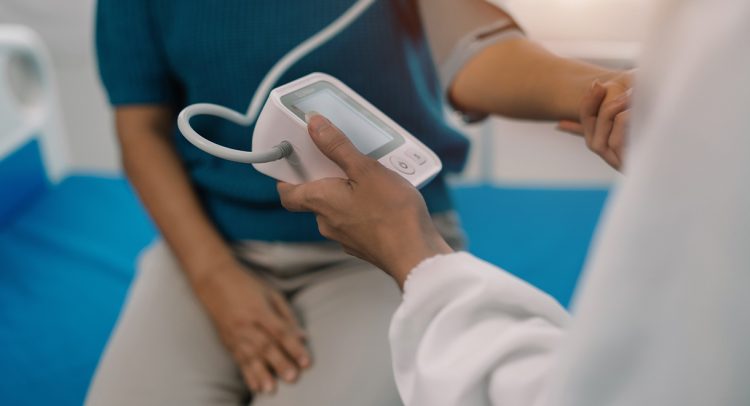
Normal blood pressure should be less than 140/90, but it is normal that your blood pressure increases with age. Blood pressure readings will change given one’s age, exercise status and whether you are standing or sitting. Your health care practitioner will measure your blood pressure using a blood pressure cuff placed on your upper arm. If a BP reading is high, many doctors will measure it on both arms and also in the sitting and standing position.
Systolic blood pressure – systolic pressure is the top number of your measurement and represents the maximum pressure in the arteries when the heart contracts and pumps blood out into the arteries.
Diastolic blood pressure – diastolic pressure is the bottom number of your measurement and represents the minimum pressure in the arteries between contractions when the heart relaxes to fill with blood.
Most cases of high blood pressure are caused by hardening and/or blockage of the arteries, and increased blood volume due to retention of fluid by the body. Diseased arteries become narrowed and inflexible, and thus the heart must exert more pressure to pump the blood through the blood vessels. Hardened blood vessels are less elastic and do not dilate properly which increases the pressure inside them.
Insulin is a hormone that your pancreas secretes into your bloodstream after you have eaten. It enables the glucose from your food to enter your cells, where it is burned for energy. If insulin is not doing its job properly, less glucose will be burnt for energy and more of it will be converted into fat. Insulin resistance means the cells of your body don’t respond to it properly, thus your body secretes even more insulin to compensate. Excess insulin causes the accumulation of body fat around the torso and the development of a fatty liver. It causes the kidneys to retain sodium and water, thus edema can develop. The increased blood volume can put a strain on the blood vessels and heart. Insulin can also cause narrowing of arteries.
Some people don’t experience any symptoms at all, despite having very high blood pressure. This is why it is critical to have your blood pressure checked regularly, especially if you carry excess weight on your torso. Persistently elevated blood pressure can be extremely dangerous and if poorly controlled results in an increased risk of heart attacks, strokes, kidney disease, blindness and erectile dysfunction.
High blood pressure is dangerous, so if you have been diagnosed with the condition, please take the medication your doctor has prescribed. The strategies in this article can be implemented alongside medication use and may reduce your need for prescription medication.
 smoking, limiting alcohol and sugar. Try to introduce gentle regular exercise and reduce stress levels where possible. If you have poor sleep associated with snoring and interruption of breathing (apnea) please ask for a referral to a sleep laboratory. These sleep problems can be treated effectively and they are very high risk factors for high blood pressure, strokes and heart attacks.
 protective effect against sudden heart attacks. Magnesium works much better if it is taken alone, as a pure magnesium supplement away from other supplements containing calcium. Magnesium does not interact with blood pressure lowering drugs. Magnesium can be taken in tablet or potent powder form – it should be taken twice daily to help those with high blood pressure. Doses range from 300 to 600 mg elemental magnesium daily. The evening dose also helps to promote a restful sleep and reduce anxiety. Magnesium also prevents muscle cramps, facial twitching and greatly reduces headaches.
 . It helps to relax blood vessel walls and keep them flexible. Taurine is also found in meat, eggs, seafood and dairy products.
Warning: Grapefruit can interact with a number of high blood pressure medications and should be avoided.
The above statements have not been evaluated by the FDA and are not intended to diagnose, treat or cure any disease.


When you submit your email, you agree to join our mailing list and receive helpful updates, special offers, and product news.