


Your Medication Could Be Hurting Your Liver
- Home
- Your Medication Could Be Hurting Your Liver

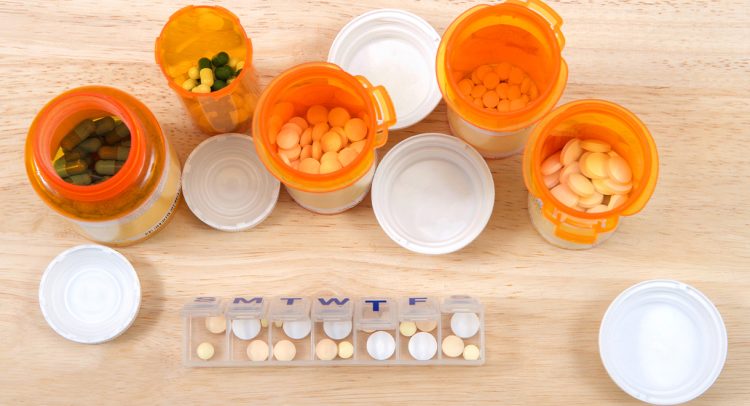
Liver damage is extremely common. Having elevated liver enzymes on a blood test means your liver cells have been injured. Did you know your medication could be responsible? It’s definitely worth considering, as a large number of prescription drugs are capable of harming the liver. If this is allowed to continue for years, your liver may not be able to repair itself.
If medication injures the liver and disrupts its normal functions, certain signs and symptoms may develop. The abnormalities seen in drug-induced liver diseases are similar to those in liver diseases caused by viruses or autoimmune diseases. For example, drug induced hepatitis (inflammation of liver cells) is similar to viral hepatitis. Both of them can cause elevations in blood levels of the liver enzymes aspartate amino transferase (AST) and alanine aminotransferase (ALT). They can also cause symptoms such as loss of appetite, fatigue and nausea. Drug-induced cholestasis (blockage in the flow of bile caused by injury to the bile ducts) can present in the same way as cholestasis of autoimmune liver disease (primary biliary cirrhosis) and cause elevations in blood levels of bilirubin (leading to jaundice), alkaline phosphatase (a liver enzyme), and itching.
The following medications are capable of causing harm to the liver:
Individuals who take two or more of these medications increase their risk of liver injury substantially.
If your liver cells become damaged, the enzymes leak into your bloodstream and give an elevated reading on a blood test.
The above statements have not been evaluated by the FDA and are not intended to diagnose, treat or cure any disease.
}


When you submit your email, you agree to join our mailing list and receive helpful updates, special offers, and product news.