


Hair Loss
- Home
- Hair Loss

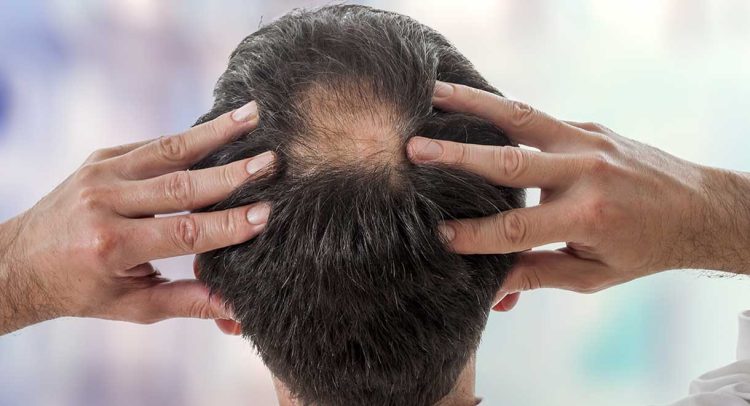
Hair loss is a common problem and often causes great psychological distress. It can occur in only a small area of the scalp, the fronto-temporal areas of the scalp, the top of the scalp or all over the scalp. Thinning hair is a common complaint in both men and women.
It is normal to lose some hair each day; however excessive hair loss can be sign of an underlying health problem, so it is essential to know what is causing the excess hair loss so you can get the right treatment.
Changes in hormone levels during peri-menopause and post menopause – nearly half of all women experience some hair loss and hair thinning during this time.
Androgenic (male pattern) hair loss can affect approximately 20 percent of all women. There may be a family history of this and it can start at any age, although usually after the age of 20. The cause is thought to be a high sensitivity of the hair follicles to the male hormone, testosterone. The hair thins at the top, the front and at the sides (temporal areas). If testosterone levels are high, you can use medications that block male hormones and these are used in men and women and need a doctor’s prescription. In women, medications that block testosterone are cyproterone acetate and spironolactone and they can work well to reduce male pattern balding. They also reduce excess facial and body hair and acne.
If hormonal imbalances are suspected, then a blood test to check your hormone levels with your doctor will be necessary. Check testosterone levels, vitamin B 12, CRP, serum iron studies, full blood count and thyroid function.
Raw juicing may help thicken the hair.
Ingredients
Method
Hair health requires good nutrition so you should increase your essential fatty acids from raw nuts, chia and hemp seeds and oily fish. Eat a low carbohydrate diet high in vegetables with healthy proteins such as eggs, cheese, Greek yogurt, meat, poultry and seafood. If low in iron, take an iron supplement.
If skin disorders are suspected, see a dermatologist.
Hormones Replacement: The Real Truth
The above statements have not been evaluated by the FDA and are not intended to diagnose, treat or cure any disease.


When you submit your email, you agree to join our mailing list and receive helpful updates, special offers, and product news.