


How To Help Heavy Menstrual Bleeding
- Home
- How To Help Heavy Menstrual Bleeding


Heavy menstrual bleeding is known as menorrhagia. There are several underlying conditions which may cause menorrhagia including fibroids, endometriosis, pelvic infection, under active thyroid, blood clotting disorders, insulin resistance and estrogen dominance. These should be investigated by your doctor.
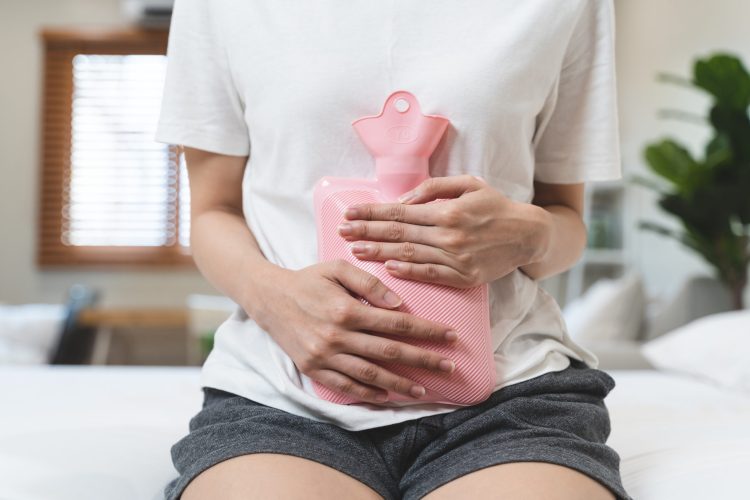
In a normal menstrual period, you should not lose more than 2.7 oz of blood over all the days you bleed. That’s around 5 and a half tablespoons. It doesn’t seem like much. Heavy menstrual bleeding can occur at any time in a menstruating woman’s life but is most common during the teenage years and the 40s. They are both times when progesterone production is low compared to estrogen. In general, progesterone helps to make periods lighter while estrogen makes them heavier.
The biggest problem with heavy menstrual bleeding is the iron deficiency it almost always causes. For most women, it’s impossible to compensate for the heavy loss of iron through diet. This is especially the case in teenage girls who are often averse to eating red meat. In a woman’s late 40s, she has simply been menstruating for so many years, and may have had children and breast fed, so her loss of iron over the years is more than can be replaced through diet. An iron supplement or iron infusion is usually necessary.
The solution depends on what is causing the heavy bleeding. It may be one or more of the following:
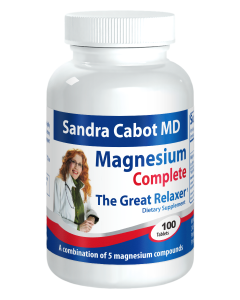 infusion can be an excellent solution. Zinc deficiency can cause heavy bleeding and many of our female patients are deficient because zinc is mostly found in red meat and seafood. A high fiber diet can bind with zinc in the intestines and prevent its absorption. Correcting zinc deficiency helps to lower prostaglandin levels, and this can also reduce period pain. Magnesium may help relieve muscle cramps and premenstrual tension.
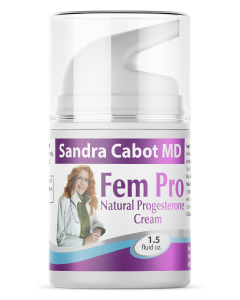 young women can sometimes be corrected through correcting nutrient deficiencies, reducing stress and cleansing the gut and liver (because not excreting estrogen thoroughly causes it to build up and create estrogen dominance). In perimenopausal women, flooding can happen where women lose up to 8.4 oz of blood in one period. Anything more than mild progesterone deficiency requires use of bio-identical progesterone cream or capsules. This corrects the imbalance with estrogen and progesterone also has anti inflammatory properties.
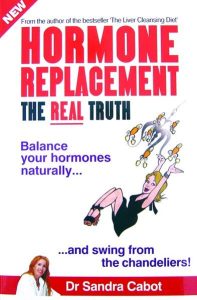 Insulin resistance causes abnormally high blood levels of insulin and that causes the uterine lining to over grow. This can cause heavy menstrual blood loss and clots. The cure for insulin resistance is a lower carbohydrate diet, less inflammation and stress and better sleep. There is lots of helpful information in our books I Can’t Lose Weight and I Don’t Know Why and Diabetes Type 2: You Can Reverse It.
For more information about menstrual problems see the book Hormones: Don’t Let Them Ruin Your Life.
The above statements have not been evaluated by the FDA and are not intended to diagnose, treat or cure any disease.


When you submit your email, you agree to join our mailing list and receive helpful updates, special offers, and product news.