


Menstrual Problems
- Home
- Menstrual Problems

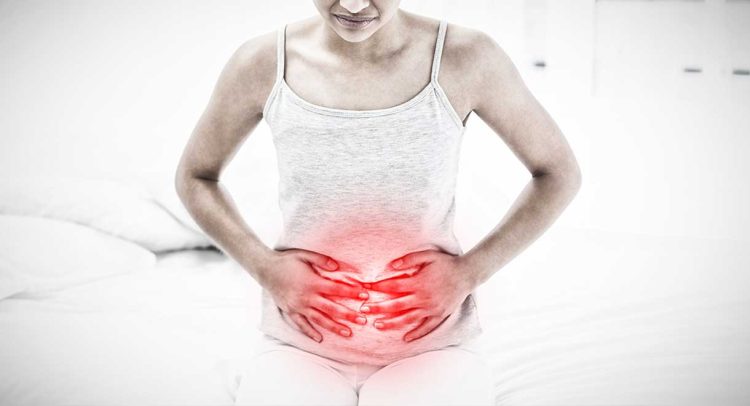
The menstrual cycle is normally between 21 to 35 days long, calculated from the first day of bleeding to the first day of the next menstrual bleed. The average period lasts for 2 to 7 days. The amount of bleeding may be very light (which is usually no cause for concern – consider yourself lucky!) or quite heavy, possibly with the passage of clots, and sometimes causing anemia.
The term ‘menorrhagia’ is used to describe these unusually heavy periods. There are a number of underlying conditions which may cause menorrhagia including fibroids, endometriosis, pelvic infection and hormonal imbalances. This should be investigated by your doctor. If the pelvic organs are found to be normal, the condition is termed ‘dysfunctional uterine bleeding’.
Possible treatments include a dilatation and curettage (D & C) of the uterus which is sometimes curative, or hormonal treatments such as the oral contraceptive pill or cyclic progesterone. In severe cases, removal of the lining of the uterus using a hysteroscope (endometrial ablation) or hysterectomy may be recommended.
A totally irregular cycle, often with heavy bleeding, is not uncommon during adolescence and in the years leading up to the menopause, usually due to hormonal imbalances which occur at these times. An erratic menstrual cycle with varying amounts of bleeding may also herald a serious underlying cause such as cancer of the uterus, cervix or ovaries, endometriosis (see Endometriosis) or pelvic infection, so it is important to have a thorough examination by your doctor.
Amenorrhea is the term used for an absence of menstrual periods. Often the cause of amenorrhea is that the ovaries do not release eggs. Your ovaries may be releasing the hormone estrogen but not producing progesterone, a hormone necessary for periods to occur. Natural hormonal replacement therapy will often assist.
The usual treatment is to take progesterone for 7 to 14 days, or however your doctor recommends you to take it. The hormones used are ‘bio identical’, meaning they are identical to the body’s own hormones. They must be given through the skin and not by the mouth, as the digestive system and liver would destroy them before the receptor sites are filled. This is a much more liver friendly way of replacing hormones.
Chemical synthetic oral HRT is molecularly altered to resist being broken down by the liver – this adds workload to this organ.
The causes of primary amenorrhea are also quite different from secondary amenorrhea.
In a woman who has previously menstruated regularly, the first thing to exclude is pregnancy. Otherwise, amenorrhea is commonly caused by hormonal imbalances which frequently resolve spontaneously, especially with normalization of body weight and exercise. Amenorrhea persisting for 9 to 12 months or more should be investigated to look for other underlying causes such as a pituitary tumor, polycystic ovaries (see Polycystic Ovary Syndrome) or premature menopause (see Menopause).
I have known about the incredible healing power of raw juices from a very young age. My grandmother’s life was saved by raw juicing back in the 1930’s. Raw juices are an incredibly powerful healing tool and can improve the function of the liver, bowels and kidneys. This increases the elimination of toxins and waste products from the skin.
Appropriate juice recipe found in my book “Raw Juices Can Save Your Life”:
Ingredients
Method
These conditions can be diagnosed with blood tests, checking the levels of prolactin, follicle stimulating hormone (FSH), estradiol and free androgen index (FAI).
The above statements have not been evaluated by the FDA and are not intended to diagnose, treat or cure any disease.


When you submit your email, you agree to join our mailing list and receive helpful updates, special offers, and product news.